Used Okuma Machines We Buy
Used Okuma machines are one of the steadier categories in our inventory, and every offer starts with a direct purchase from the company running the machine, not a consignment listing or an auction. Our Okuma inventory leans heavily toward lathes, from the older Crown, Captain, and Cadet families through current LB and GENOS turning centers, plus MULTUS mill-turn and MC-series machining centers, dated 1970 through 2025.
4,213 machines, page 1 of 176
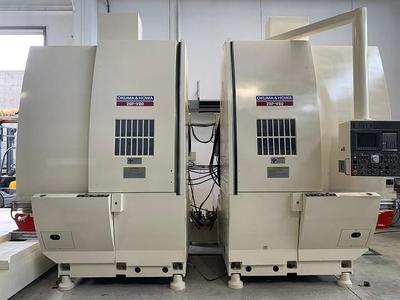 Okuma 2 SP V80 (2002)
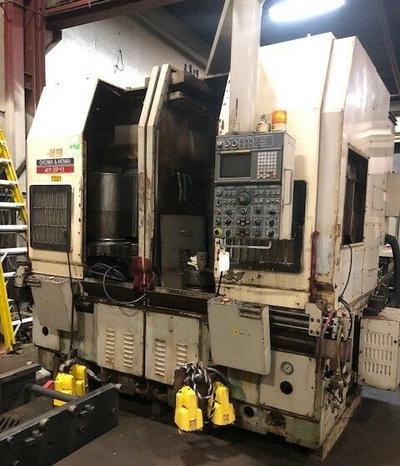 Okuma 2SP-308
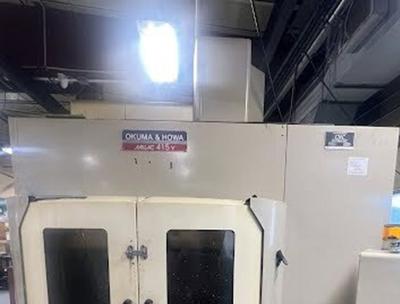 Okuma 415V/40 (2000)
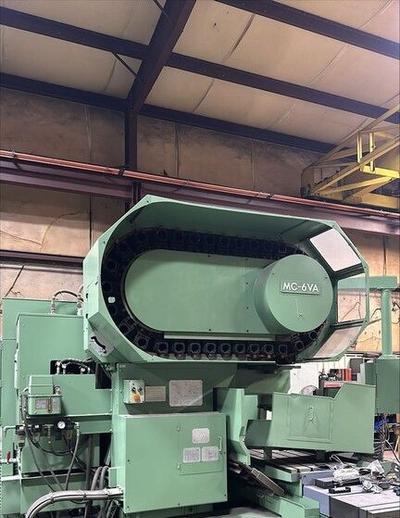 Okuma 6VA
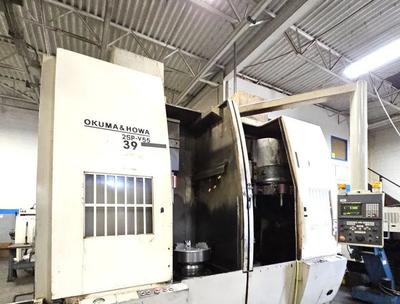 Okuma ACT 2SP-V35
 Okuma GENOS-L-300M (2013)
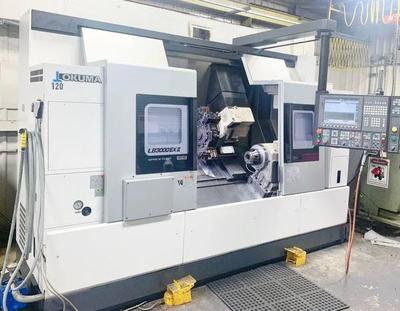 Okuma LB-300EX-II (2018)
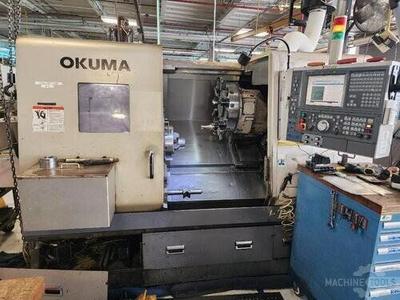 Okuma LB-34II (2007)
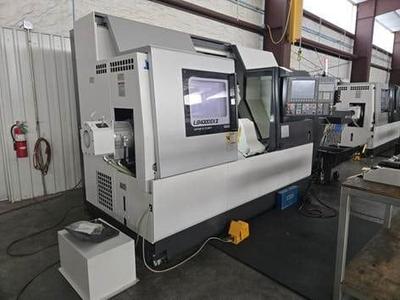 Okuma LB-4000EXII/C750 (2011)
 Okuma LB35III (2021)
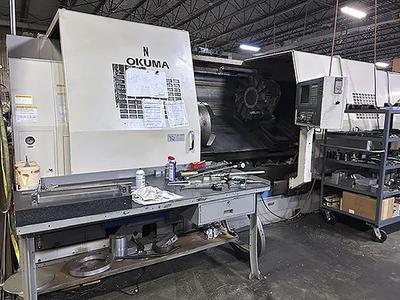 Okuma LB45II (1998)
 Okuma LB45IIM (1999)
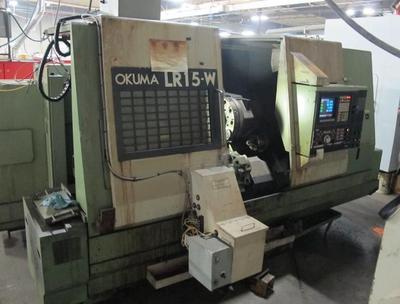 Okuma LR-15W
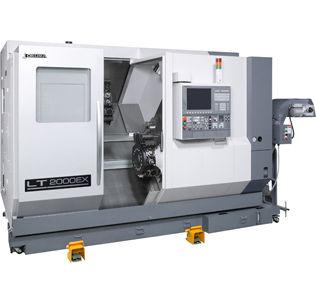 Okuma LT2000 EX
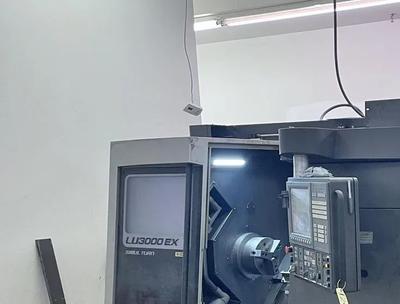 Okuma LU-3000EX (2013)
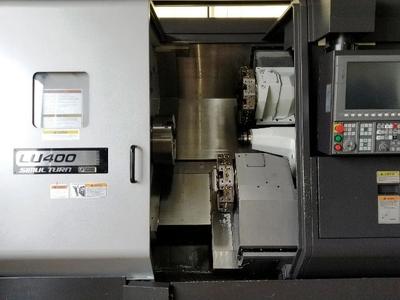 Okuma LU 400-2SC SIMULTURN (2014)
 Okuma LU15-2SC/600
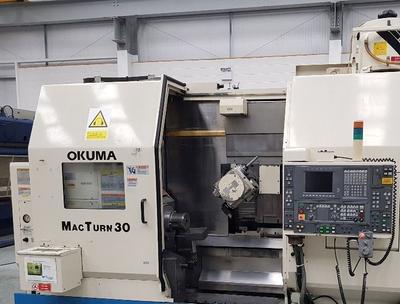 Okuma MACTURN30W (2001)
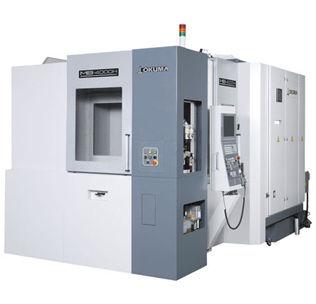 Okuma MB-4000H
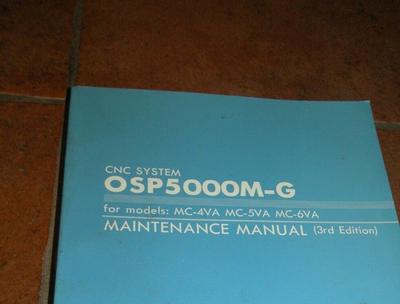 Okuma MC-5VA (1985)
 Okuma MCR-20B
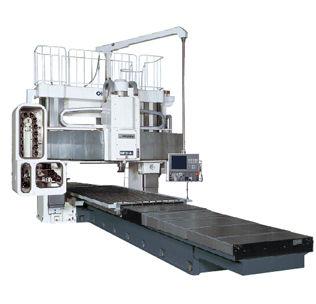 Okuma MCV-AII16X30
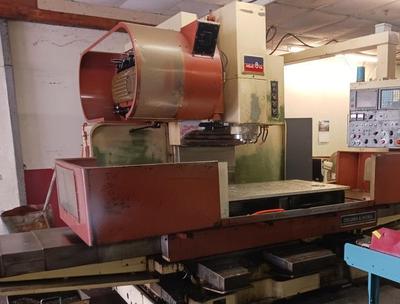 Okuma MILL AC 8 VA
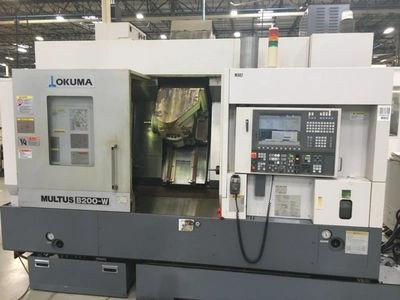 Okuma MULTUS B200 W (2008)
OSP Control Generation Drives the Okuma Number
Okuma builds its own OSP control, and which generation is on the machine, current OSP-P300 versus the older OSP-700 series still found on Crown and Captain lathes, is one of the first things that sets the offer. Swing, spindle bore, and chuck size matter most on the lathe side, since Crown, Captain, Cadet, and LB-series machines make up the core of our used Okuma lathe inventory. Spindle taper condition and bar capacity round out the picture for bar-fed models.
Mill-Turn and Machining Centers Get Evaluated Differently
MULTUS mill-turn machines and GENOS or MC-series vertical machining centers are priced on axis travel, spindle motor power, and whether a live-tooling turret or second spindle is fitted, the same criteria we would apply to any current-generation machining center regardless of brand.
Documentation That Speeds Up an Offer
Serial number, OSP control version, spindle hours if the control logs them, and chuck or tooling included. Older Crown and Captain lathes especially benefit from a recent calibration record, since they're no longer in current production.
Full Line of Okuma Lathes, Mill-Turn, and Machining Centers
Beyond Crown, Captain, and current LB and GENOS lathes, we buy Okuma's 2SP-V40 and 2SP-V60 sub-spindle and twin-spindle turning centers, along with the Cadet line that predates the current LB series. On the mill-turn side that includes the full MULTUS B series, the B200 through B400, and the MULTUS U line, both scoped on turret condition and axis travel the same way regardless of which series it is. GENOS M460-V and M560-V verticals, the MB-V line, and MU-V 5-axis machines fill out our vertical machining center coverage, alongside MA-400HA, MA-600HB, and MB-H horizontal machining centers. A machine doesn't need to carry a current model name to get a real offer, an older MC-series center running a legacy OSP screen is still evaluated on the same spindle and travel basics as a current GENOS. OSP control software version matters as much as the hardware generation, two machines running the same P300 hardware can carry different software builds, and a more current build is generally easier for a shop to integrate with modern CAM software, which factors into how the machine is perceived by the next buyer. Sub-spindle and twin-spindle configurations on the 2SP-V line also open up complete parts in one setup, a meaningful capability difference from a standard single-spindle LB, and we account for that when the option is installed and functioning correctly.
Okuma's Reputation for Longevity Works in Your Favor
Okuma has a reputation for durability that outlasts most CNC brands, and a well-maintained machine, even an older Crown or Captain lathe no longer in production, still holds real interest from buyers. That reputation shapes how we look at a machine, particularly one with a documented service history. It does not mean every Okuma commands the same number, spindle condition and OSP generation still matter, but the brand's staying power gives an older lathe a longer useful life than most competing makes. That's part of why we ask for a recent calibration record on anything built before OSP-P300, it's usually the single best proof that a machine still cuts to tolerance despite its age, and it tends to matter more for an Okuma than for a brand where shops replace machines on a shorter cycle. Shops that specifically hunt for an older Okuma over a newer competing brand tend to already know how to maintain OSP controls and Okuma's mechanical platform, which is part of why a well-kept older machine finds a buyer faster than the same condition machine in an unfamiliar brand would.
Crown and Captain Lathes Have Their Own Rules
Crown and Captain lathes, including the 762S and 769S variants, are no longer in current production, which changes how we scope them compared to a current LB or GENOS. Swing, spindle bore, and chuck size still set the ceiling, but since Okuma isn't building replacement parts for these lines the way it does for current models, a documented service history and confirmation that critical wear parts are still sourceable matter more than they would on a newer lathe. That doesn't mean these older lathes are worth less, plenty of shops specifically look for a Crown or Captain because it's a known, reliable machine at a lower entry point than a current model, and that demand keeps a well-kept older Okuma lathe genuinely worth a call. The same logic extends to older Okuma machining centers built before the GENOS name existed, an MA or MC-series center from that era gets scoped the same way, spindle condition and confirmed part sourcing carrying more weight than how recently the model name was current. None of this changes the basics we ask for, serial number, control version, and a recent calibration record if you have one, but it does change how we weigh what we're looking at once we have those details.
Common questions
Do you buy used Okuma CNC machines?
Yes. We buy Okuma machines directly from the companies running them, from older Crown and Captain lathes through current MULTUS mill-turn and GENOS machining centers. Send the model and OSP control version for an offer.
Do you buy Okuma Crown series lathes?
Yes. Crown lathes, including the 762S and 769S variants, are one of the most common Okuma model families we buy. Since they're no longer in current production, swing, spindle bore, and a recent calibration record matter more than they would on a newer machine.
Do you buy Okuma Multus mill-turn machines?
Yes. MULTUS mill-turn machines like the U3000 and U4000 are part of our current Okuma inventory. Because they combine turning and milling, we evaluate both spindle and live-tooling condition, plus axis travel, before making an offer.
Do you buy Okuma 5-axis MU-V machining centers?
Yes. MU-V 5-axis machines sit alongside GENOS M460-V and M560-V verticals and the MB-V line in our current Okuma lineup. Axis travel and spindle condition drive the offer.
Do you buy Okuma sub-spindle or twin-spindle lathes?
Yes. We also buy the 2SP-V40 and 2SP-V60 sub-spindle and twin-spindle turning centers, evaluated on spindle condition on both ends and any live tooling fitted.
Are older Okuma lathes still worth calling about?
Yes. Okuma has a reputation for durability, and an older Crown or Captain lathe with a documented service history can still hold real value even though it's no longer in current production.
Do you buy Okuma horizontal machining centers?
Yes. MA-400HA, MA-600HB, and MB-H horizontal machining centers round out our Okuma lineup, evaluated on pallet count, spindle taper, and axis travel like any other HMC.
Do you buy older Okuma MC-series machining centers?
Yes. An older MC-series center running a legacy OSP screen still gets evaluated on the same spindle and travel basics as a current GENOS, even though it's no longer a current model.
Thinking about selling Okuma Machines?
An older Crown or Captain lathe is no longer in current production, so a recent calibration record does more for the offer than it would on a newer machine, while OSP control generation matters most on anything still being built today. MULTUS mill-turn machines get scoped on live tooling and second-spindle configuration rather than swing alone. Tell us which generation of OSP is on the screen and we will know roughly where your Okuma stands.