Used Makino Machines We Buy
We buy used Makino machines directly from the shops and toolrooms running them, with no consignment fee and no auction house taking a cut. Our Makino inventory centers on A-series horizontal machining centers (A51, A55, A61NX, A81), V-series verticals like the V77 and V33, and wire and sinker EDM units, dated from 1977 through 2024. Here's what shapes the number we offer.
1,424 machines, page 1 of 60
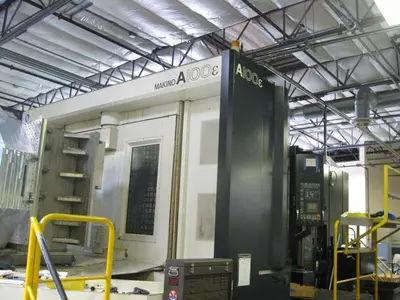 Makino A100E (2005)
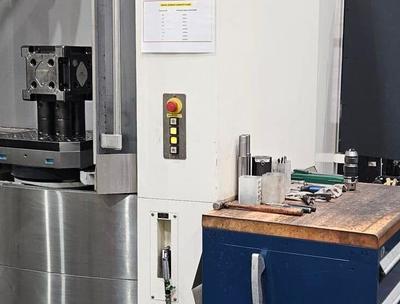 Makino A61NX-1
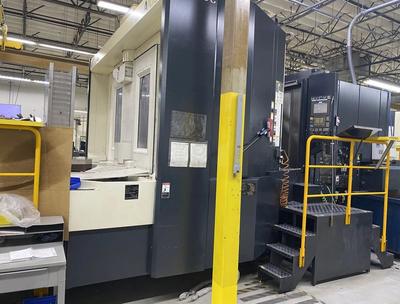 Makino A88 5XR
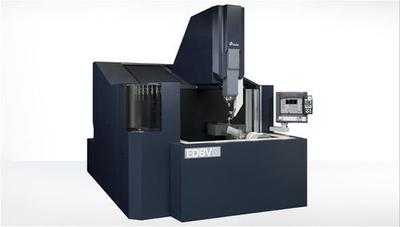 Makino EDBV8
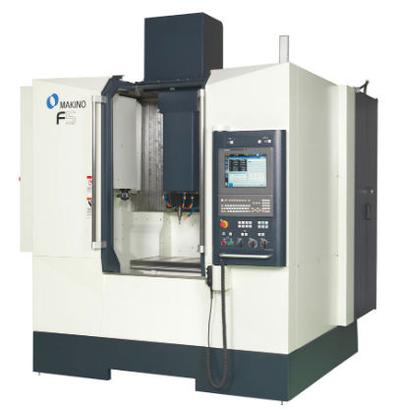 Makino F5 PRO 6
 Makino FNC-208 A30
 Makino MC-100A
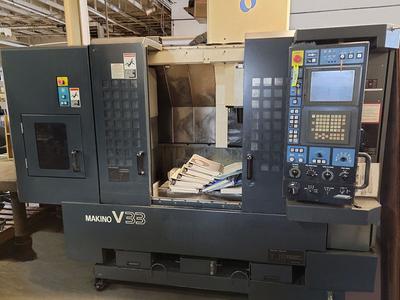 Makino V33 (1999)
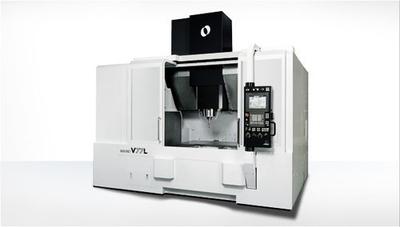 Makino V77L/40
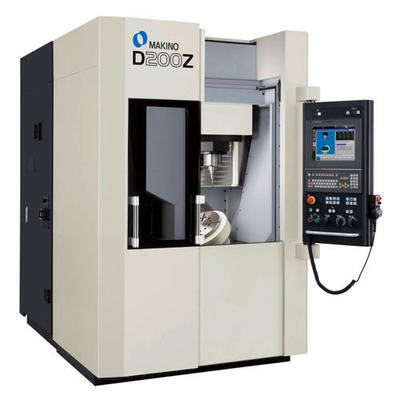 Makino 21
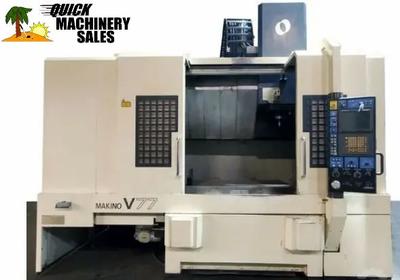 Makino A-77
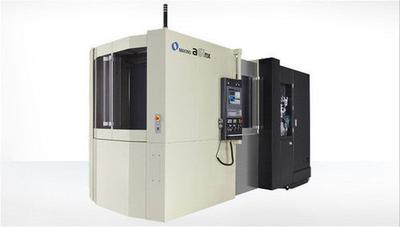 Makino A61NX PRO 6
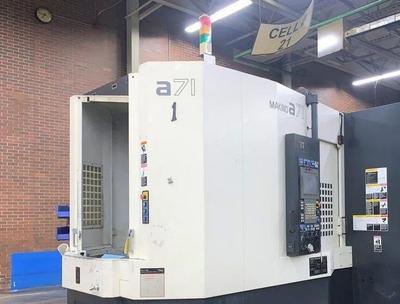 Makino A71 (2005)
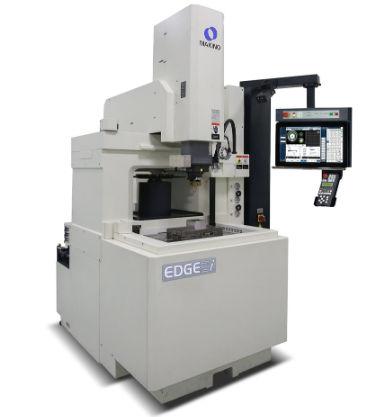 Makino EDGE2I
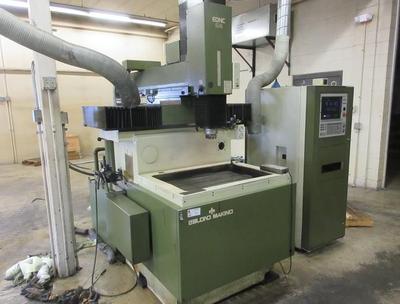 Makino EDNC 64
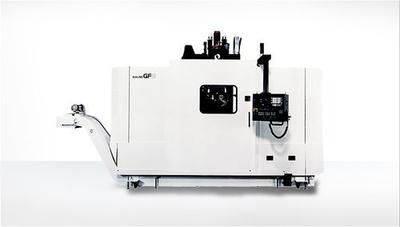 Makino GF8
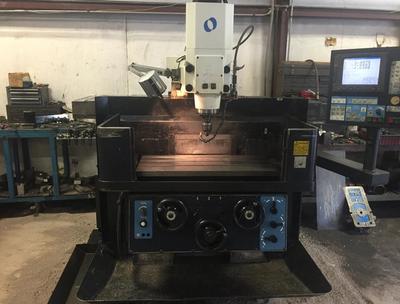 Makino KE 3118 (2003)
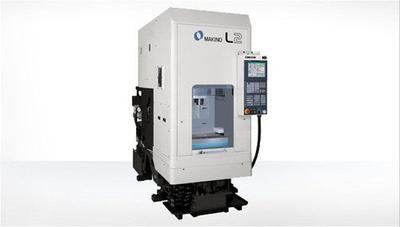 Makino L2 TABLE
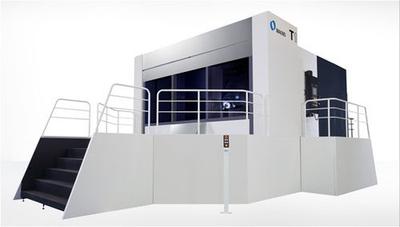 Makino T1
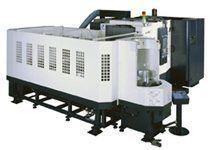 Makino TPM
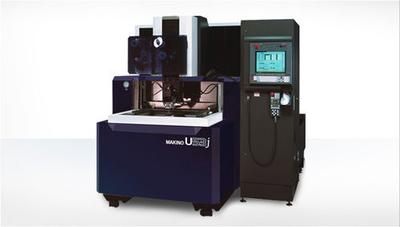 Makino U53J
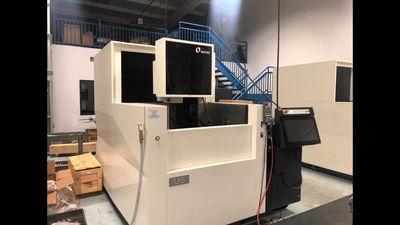 Makino U6 (2017)
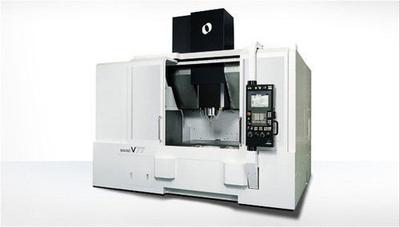 Makino V77
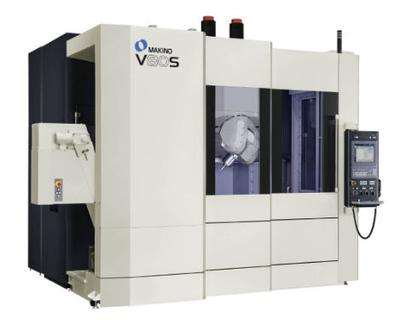 Makino V80S
Horizontal Machining Centers Are the Core of Our Makino Book
A51, A55, A61NX and A81 horizontal machining centers are the biggest slice of the Makino machines we buy. Pallet count, tombstone or fixture tooling included, and spindle taper condition all affect the offer. A machine still running Makino's Professional control with a documented maintenance history draws a stronger number than one that has sat idle in a corner of the shop.
EDM and Vertical Machines Follow Different Rules
Wire EDM units like the EDGE and EDNC lines, and sinker EDM machines like the EDFH, are priced on generator condition, wire threading function, and tank integrity rather than spindle hours. V-series verticals such as the V77 and V33 are evaluated the way any VMC would be, on axis travel, spindle condition, and control type.
What to Have Ready
Serial number, control model, spindle or generator hours if logged, and a pallet or fixture inventory. Note the machine's location and rigging access too, because rigging access feeds straight into the freight estimate.
5-Axis and Specialty Machines We Also Buy
Beyond the A-series HMCs, we buy Makino's 5-axis line, the D200Z, D300, D500, DA300, and MCC2013, plus the large-format MAG series built for aerospace structures. On the specialty side, T2 and T4 titanium-machining centers and the U3 and U6 wire EDM units round out what we hold. PS95, PS105, S33, and S56 verticals, along with the F3 and F5, fill out the smaller VMC side of our Makino inventory. A 5-axis machine gets scoped differently than a 3-axis one, table swing, trunnion condition, and rotary axis backlash matter as much as spindle hours, so a low-hour D500 with tight rotary axes can outperform an older 3-axis A-series with fewer hours on the clock. Titanium-specific machines like the T2 and T4 also get a closer look at coolant-through capacity, since that's usually what separates a true titanium-capable spindle from a general-purpose one. Spindle taper also plays into the number on any Makino, BT40 tooling is common and easy to source, while an HSK-equipped machine, more common on newer 5-axis models, can be a plus for a shop that already runs HSK tooling and a wash for one that would need to requalify its tool room around a different taper. On the EDM side, generator technology has moved fast over the last decade, so a newer EDGE-series wire EDM with updated threading automation is a meaningfully different machine to us than an older EDNC unit, even when both are technically still working.
Why Makino Tends to Command a Stronger Number
Makino sees steady demand from aerospace and automotive shops that specify the brand by name, which is largely a function of build quality. That reputation works in your favor when we evaluate a machine, particularly a low-hour A-series or a 5-axis unit still under Makino's Professional control. Makino does not run a general trade-in or buyback program of its own, so a direct sale to a buyer who understands the brand, rather than a generic used-equipment outlet, is typically the faster route to cash. That's also where a documented maintenance history pays off most, a Makino with logged PM records and a clean spindle-taper inspection tends to draw a noticeably stronger look than an otherwise similar machine with no paperwork behind it, since we're not guessing at how the machine was actually run. That's especially true across environments, a Makino that's been running in a humidity-controlled aerospace shop tends to show less way wear than one that sat in a non-climate-controlled facility for the same number of years, and a documented environment, not just a documented service history, factors into how we look at the machine.
Where Makino Fits Among the Brands We Buy
Makino sits alongside other premium CNC brands in what we purchase, including DMG Mori, Mazak, Okuma, and Haas equipment. When an entire toolroom is going, not one machine, that matters, we'll quote your Makino HMC and any other brand on the floor together, on one pickup schedule instead of separate transactions for each nameplate. It also means we're used to comparing a Makino against its closest competitors when we scope a number, so the offer reflects where the machine actually sits in the current market rather than a generic used-equipment formula applied the same way to every brand. Send us the full list, model by model, and we'll come back with one consolidated quote instead of making you track separate offers for each machine on the floor. When a facility liquidation includes machines outside the Makino lineup entirely, older manual equipment, tooling, fixtures, and shop support gear, we can often fold those into the same conversation rather than requiring a separate process for anything that isn't a CNC machine tool.
Common questions
Do you buy used Makino machines?
Yes. We buy Makino machines directly from the shops running them. A-series horizontal machining centers are the largest single group in our Makino book, and the V-series leads the vertical side alongside F, S and PS models, with wire and sinker EDM, 5-axis machines and lathes filling out the rest. Send the model and control type and we'll evaluate it.
What counts as a Makino machine tool for resale?
Makino covers several distinct families we buy differently: A-series horizontal machining centers, V-series and F-series verticals, and wire or sinker EDM units. Tell us which type you have and we'll route it to the right evaluation.
Do you buy Makino EDM machines like the EDGE series?
Yes. Wire EDM units including the EDGE and EDNC lines are part of our Makino inventory. We evaluate these on generator condition and wire threading function rather than spindle hours, since they don't cut the way a mill does.
Do you buy Makino 5-axis machines like the D500?
Yes. The D200Z, D300, D500, DA300, and MCC2013 5-axis machining centers round out our current Makino lineup, alongside the large-format MAG series built for aerospace work.
Does Makino have a buyback or trade-in program?
No. Makino does not operate a general trade-in or buyback program for used machines. MTE buys directly instead, with no new-machine purchase required.
Do you buy Makino titanium-machining centers like the T2 or T4?
Yes. The T2 and T4 round out our specialty Makino lineup. Because they're built for titanium work, we look closely at spindle condition and coolant-through function ahead of any number we send back.
Do you buy Makino wire EDM units like the U3 or U6?
Yes, alongside the EDGE and EDNC lines. We evaluate U3 and U6 wire EDM units on generator condition and wire threading function rather than spindle hours.
Do you buy a full Makino cell or just single machines?
Both. We'll quote a single A51 horizontal machining center on the same terms as an entire Makino cell coming out of a plant, on one consolidated offer and one pickup schedule.
Thinking about selling Makino Machines?
A Makino purchase splits into two very different conversations depending on what you own. A horizontal machining center gets judged on pallet count and spindle taper, while a wire or sinker EDM gets judged on generator condition and tank integrity, not spindle hours at all. Because we buy directly rather than listing or consigning it, that distinction gets sorted on the first call, and rigging out of a toolroom is on us.