Used DMG MORI Machines We Buy
Used DMG MORI machines come through Machine Tool Exchange in volume, 3,313 listings across 2,191 distinct model numbers, bought straight from the shops that own them. Both heritages sit under one nameplate here: SL, NL and NLX turning from Mori Seiki, DMU, DMC and CTX from Deckel Maho. Here is what moves an offer.
3,313 machines, page 1 of 139
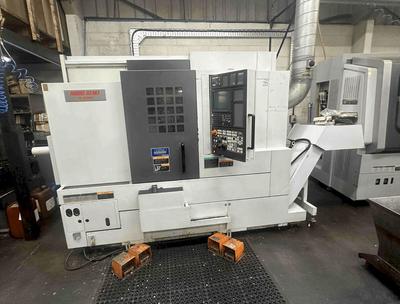 DMG MORI NL-2000- MC (2005)
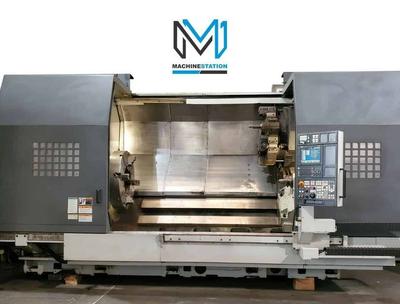 DMG MORI SL-603CMC/2000
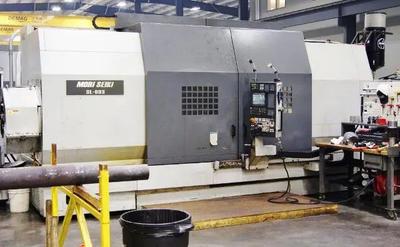 DMG MORI SL 603D/2000 (2005)
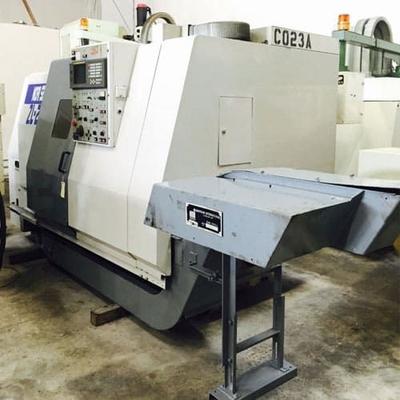 DMG MORI ZL-25B
 DMG MORI ZL150MC (2001)
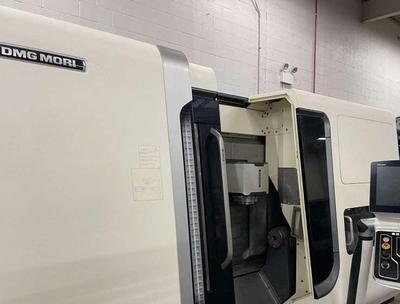 DMG MORI 800TC (2015)
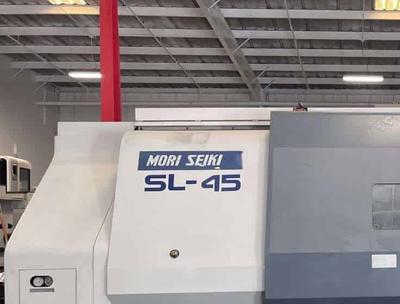 DMG MORI C (1999)
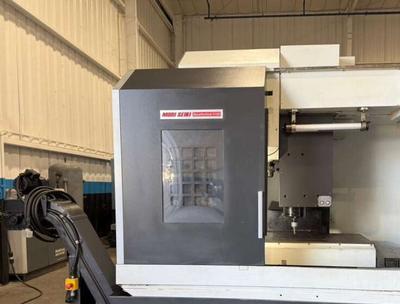 DMG MORI C (2007)
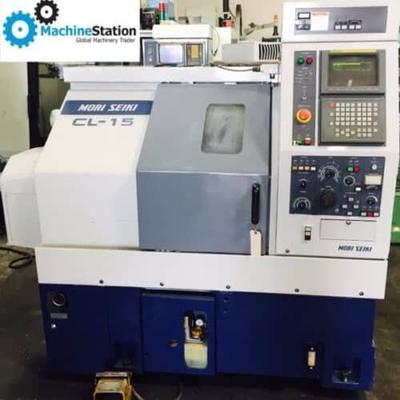 DMG MORI CL-15
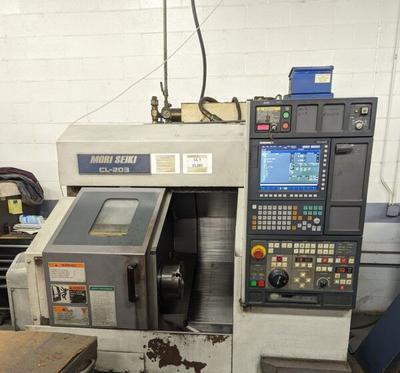 DMG MORI CL203 (1999)
 DMG MORI NL 2000SY (2005)
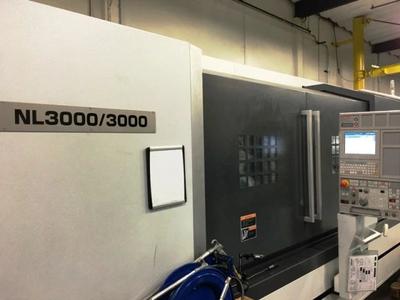 DMG MORI NL 3000/ 3000 (2015)
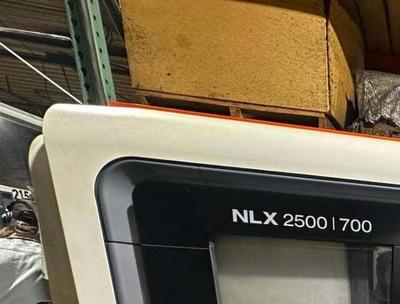 DMG MORI NLX 2500/700 SMC (2015)
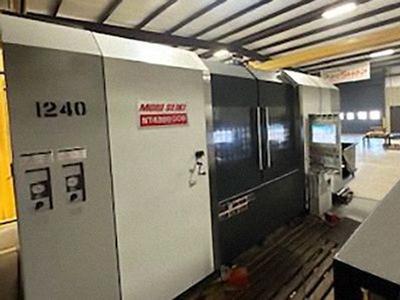 DMG MORI NT4300DCG 1500SZ (2011)
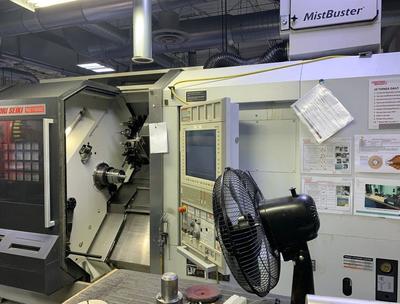 DMG MORI NZ 1500 T2Y2 (2011)
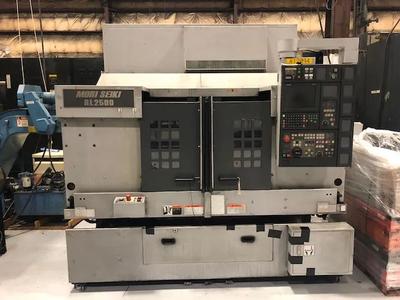 DMG MORI RL-2500 (2005)
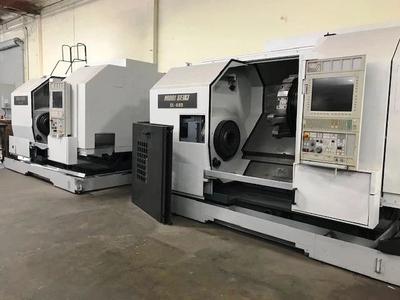 DMG MORI SL 403C/ 800 (2011)
 DMG MORI ZT-2500Y (2003)
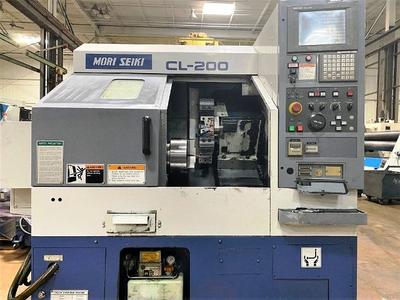 DMG MORI CL 200 (1997)
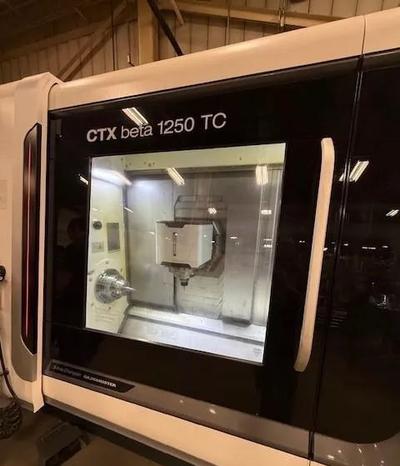 DMG MORI CTX beta 1250TC (2023)
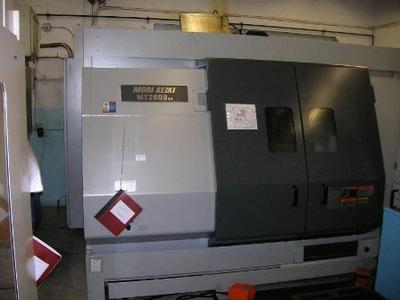 DMG MORI MT 2000a1 SZ (2005)
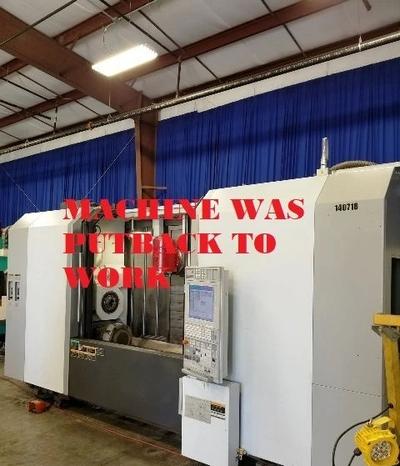 DMG MORI NT 4300 DCG-1500SZ 5 AXIS (2014)
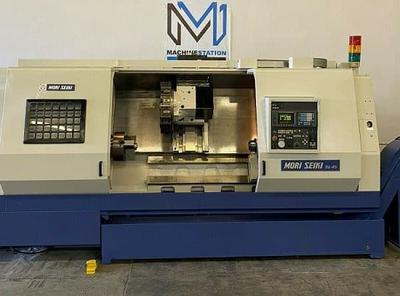 DMG MORI SL-45B/1500
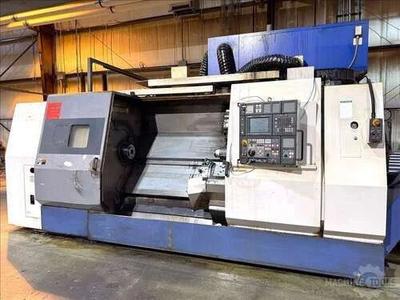 DMG MORI ZL-35B/1500 - CNC Lathe (2004)
What Moves the Offer on a Used DMG MORI
Control platform is the first question on a DMG MORI, because the same nameplate ships with CELOS, Fanuc, Siemens or Mitsubishi, and which one it runs changes how fast a shop could put the machine back to work. After that it is spindle hours, whether the machine still holds tolerance, and what the configuration actually includes. On the NLX and NT turning machines, a sub-spindle, a Y-axis and live tooling separate an otherwise identical model from a bare two-axis lathe. On the NHX and NH horizontals, the pallet changer and whether a pallet pool came with it weigh as much as the hours. On a DMU, trunnion and rotary condition carry the offer. Jason Puuri scopes each of these himself instead of running a formula, so the model number, the build year, the control screen and an honest hours reading get you a real number faster than photos alone do.
Mori Seiki and Deckel Maho Under One Nameplate
Deckel Maho Gildemeister and Mori Seiki merged in 2013, so a data plate reading Mori Seiki, Deckel Maho or DMG MORI all lands in this same hub. Every one of the 3,313 listings here sits under the single DMG MORI label, which is why the legacy nameplate search and the current one return the same iron. The Japanese heritage shows up in the model strings: 397 listings carry an SL model number, 119 an NLX, 116 an MV, 99 an NL and 69 a ZL. The German side shows up as 160 DMU listings, 68 DMC and 56 CTX. Another 52 listings have a model string beginning with Deckel and 66 beginning with Seiki, which is how the original seller typed the data plate rather than a separate brand count. Among the listings that carry a build year, the span runs 1972 to 2025, and another 397 record no year at all.
What This Hub Actually Holds
The 3,313 listings break out like this. Metal Cutting is the largest bucket at 1,346, and it is the site's broad catch-all rather than a machine type, so it holds a mix instead of one kind of machine. Past it the split gets specific: CNC Lathes 852, CNC Vertical Machining Centers 520, CNC Horizontal Machining Centers 232, CNC 5-Axis Machining Centers 111, CNC Multi-Tasking mill-turn 109 and CNC Turning Centers 97. The tail is short but real: 12 miscellaneous CNC machines, 5 Swiss-type lathes, 5 horizontal boring mills, 4 drilling and tapping centers, 3 gantry and portal mills, three categories holding two machines each and eleven more holding a single machine. Across all of it sit 2,191 distinct model numbers, which is roughly one distinct model number for every listing and a half. That last figure is the one worth reading twice, because it says this hub is not one family repeated at volume, it is depth.
Lathes, Turning Centers and Mill-Turn Machines
Here is the turning book, by model token. SL is the single largest model grouping in the hub at 397 listings, a Mori Seiki line rather than a Deckel Maho one. NLX comes in at 119 and NL at 99, with NL2500 a separate string on 20 more. The German turning line comes in as 56 CTX listings and 16 CLX, alongside 16 SPRINT and 6 MULTISPRINT lathes. ZL at 69 and NZX at 35 cover the multi-spindle and twin-turret work, and DURATURN adds 18. On the mill-turn side, NT and NTX carry 46 listings each against a CNC Multi-Tasking category of 109, with MT adding 24. Counting the dedicated turning categories together, lathes, turning centers, Swiss-type and vertical turning come to 955 listings. Read the suffixes before comparing two of them: S signals a sub-spindle, Y a Y-axis, MC live milling. NLX2500SY holds 16 listings and NL2500SY 14, and those letters change how the machine gets scoped.
Machining Centers: Vertical, Horizontal and 5-Axis
The milling book splits three ways. Verticals are the largest milling category at 520, showing up as 116 MV listings, 56 SV, 37 CMX, 32 DURAVERTICAL, 25 NV, 23 NVX, 17 ECOMILL, 16 NMV and 14 MILLTAP. Horizontals account for 232, and the pallet arrangement usually decides it: NHX carries 68 listings, SH 68, NH 56 and MH 44, with the size-coded strings counted separately at NH5000 27, NHX4000 23, NH4000 20, NH6300 13 and NHX5000 13. Those size codes are separate model strings, not subtotals of a parent line, so they do not add up into one family. The universal machines doing the five-axis work are DMU at 160 listings and DMC at 68, while the CNC 5-Axis Machining Centers category holds 111. Those are two different cuts of the same catalog. Past those families sit HSC, ULTRASONIC, LASERTEC and DMF machines, plus 5 horizontal boring mills and 3 gantry mills.
Selling Yours Instead of Listing It
MTE is a direct buyer, not a broker, an auction platform or a listing service. Three steps. Send the model, year, condition, spindle hours, tooling and control type. An offer typically comes back within 24 to 48 hours, and form submissions get a reply within one to two business days. Accept and we arrange rigging, crating and freight at no cost to you in all 50 states, and we handle the pickup. Condition is not a filter here. A DMG MORI running production, one idle since a job ended, and one down pending a repair decision are all machines we buy, and saying what is wrong upfront gets it scoped accurately. One machine or a whole floor during a changeover works the same, each scoped on its own hours and condition instead of one blanket number. MTE is an affiliate of Superior Machine and Tool, active in used CNC since 2012. Call 800-822-9524.
Common questions
What determines what a used DMG MORI machine is worth?
Model, year, spindle hours, control type and condition. A CELOS-era NLX with a sub-spindle and a 1990s SL lathe get scoped differently even at similar hours. Send those five details and Jason Puuri puts the number together.
Do you buy older Mori Seiki machines?
Yes, from any era. DMG MORI was Mori Seiki until the 2013 merger with Deckel Maho Gildemeister, and a Mori Seiki data plate is bought on the same terms as a current one. SL, NL and MV machines come through regularly.
Do you buy DMG MORI machines with a Siemens or CELOS control?
Yes, and Fanuc and Mitsubishi. The control platform affects how the machine gets scoped, not whether we buy it. Tell us which one it runs and roughly what generation, since that is the detail shops ask about first.
Who pays for rigging and freight?
We do. MTE arranges and pays for rigging, crating and freight in all 50 states, so there is no out-of-pocket cost to you. We arrange the pickup.
Will you buy a DMG MORI that is sitting idle or needs work?
Yes. Running production, idle since a job ended, or down while a repair decision is pending are all fine. Say what is wrong upfront so it gets scoped accurately instead of quoted as though it runs.
Do you buy other CNC brands alongside a DMG MORI?
Yes. If you are clearing a mixed floor, we buy Mazak, Makino and Okuma equipment alongside your DMG MORI machines, on one quote and one pickup schedule.
Thinking about selling DMG MORI Machines?
A DMG MORI can be German or Japanese iron under one badge, a DMU or CTX from Deckel Maho or an SL, NL or NLX from Mori Seiki, and the control could be CELOS, Fanuc, Siemens or Mitsubishi. That is why Jason Puuri scopes these one at a time. Send the model number off the data plate and the control screen.