
Used CNC Laser Cutting Machines We Buy
Used CNC laser cutting machines are what Machine Tool Exchange buys direct from the fabrication shops that own them, no broker and no auction house in between. This hub holds 386 listings across 293 distinct model designations. Mazak accounts for 201 of them and Amada for 167. Here is what actually moves an offer on a laser.
386 machines, page 1 of 17
 Mazak FABRI (2012)
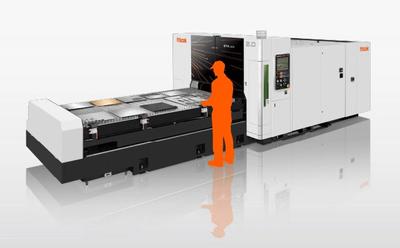 Mazak SUPER TURBO-X 2412
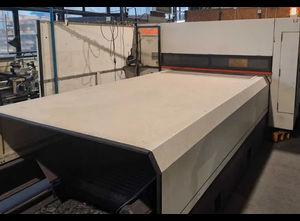 Mazak Super Turbo-x 510Mk III (2012)
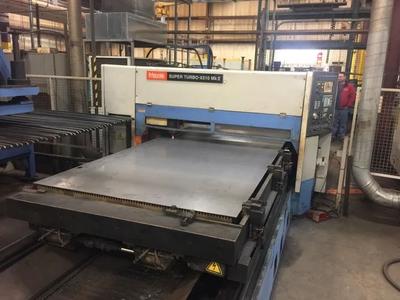 Mazak STX510 (2001)
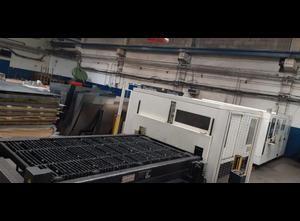 Mazak Super Turbo ST-X 510 MkIII G (2014)
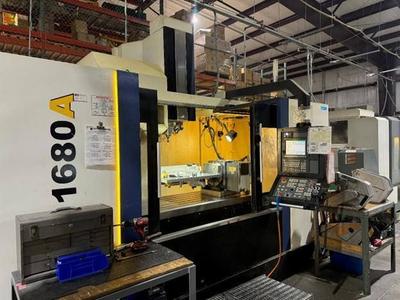 Mazak FABRI GEAR 150 (1987)
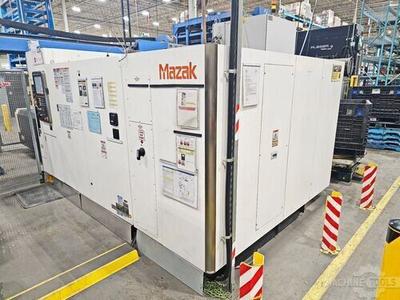 Mazak SUPER TURBO-X 2412 (2018)
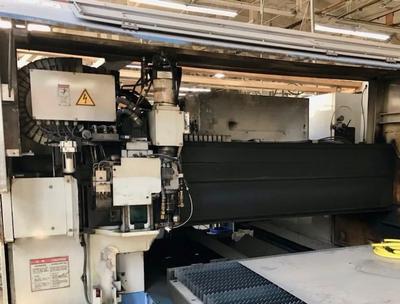 Mazak SUPER TURBO X510 Hi PRO (1999)
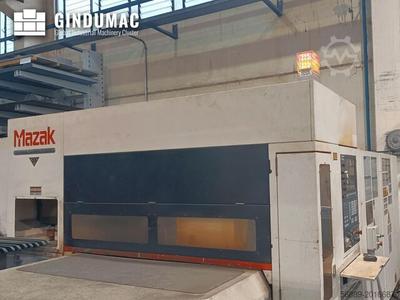 Mazak MAZAK HTX510 (2012)
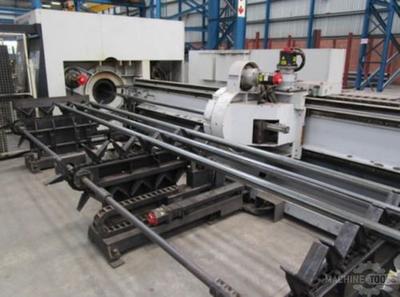 Mazak FABRI GEAR 150 (2008)
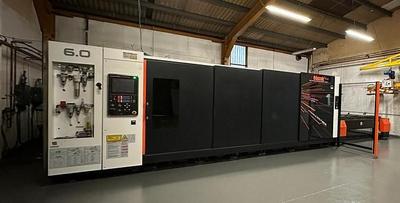 Mazak Optiplex Nexus Fiber 3015 6KW (2018)
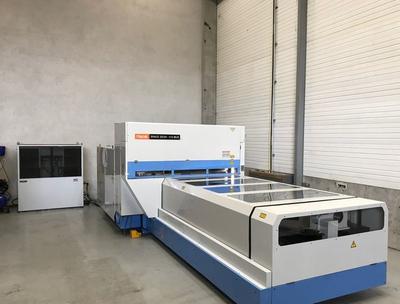 Mazak Space Gear 48 (2001)
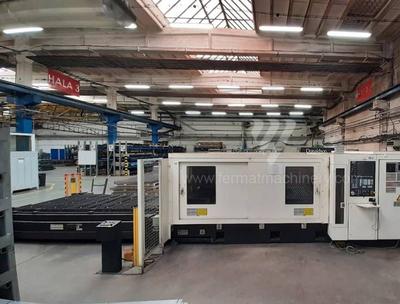 Mazak SUPER TURBO X510 MK III (2012)
 Mazak X48 MK II (2006)
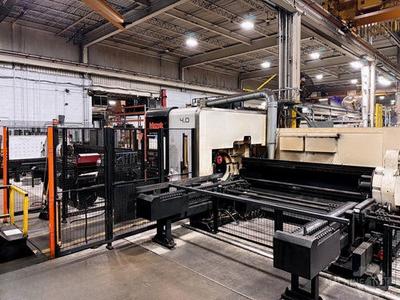 Mazak 3D FABRI GEAR 220 II (2018)
 Mazak Optiplex Nexus (2022)
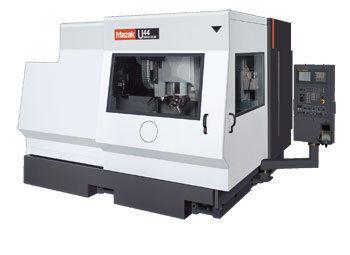 Mazak SPACE GEAR U 44 (1987)
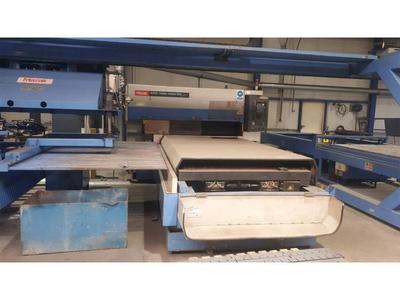 Mazak SUPER TURBO X510 Hi PRO SUPERCHARGED (1997)
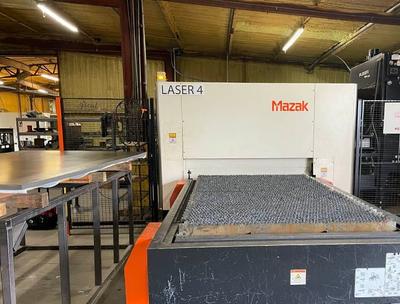 Mazak Optiplex Nexus 3015 Fiber (2017)
 Mazak Space Gear 48 MK II (2005)
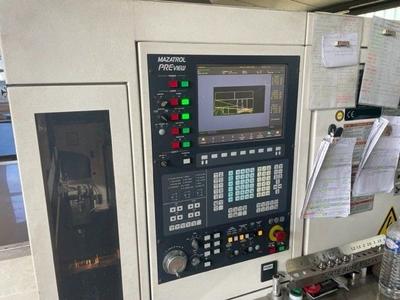 Mazak STX-510
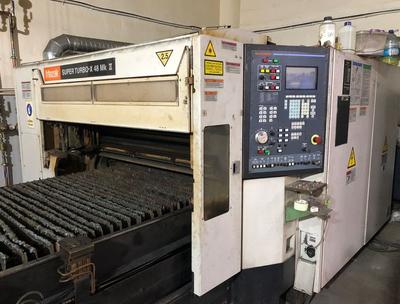 Mazak Super Turbo-X 48 Mk II (2008)
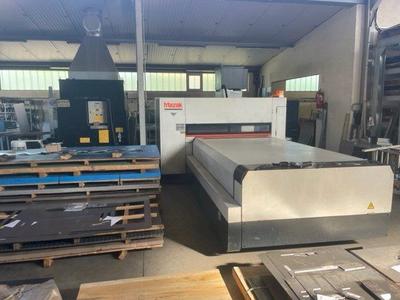 Mazak STX 510 (2013)
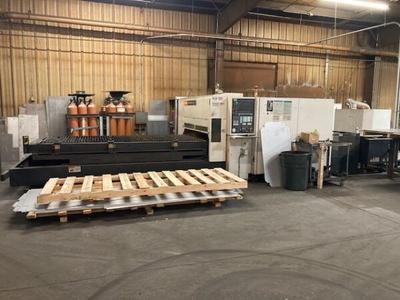 Mazak Super Turbo-X510 Champion (2008)
What Is In the Laser Book Right Now
Two catalog labels feed this page: 311 listings filed as CNC Laser Cutting Machines and 75 filed as CNC Laser Cutters, 386 in total. Nine makes carry them. Mazak is on 201 of the 386 and Amada on 167, which puts 368 machines under those two nameplates. Seven other makes account for the remaining 18, and those are the nameplates on those listings, nothing more. Across the 386 there are 293 distinct model designations, several of them variants of the same line, so this is a wide book rather than one model repeated down a page. Of the 386, exactly 303 carry a build year, and those run 1987 through 2024. The other 83 have no year recorded, which is why the range is stated against 303 listings and not against all 386. If you are here to sell rather than buy, those numbers answer whether we move this equipment.
Model Families That Come Through Most
The family rollup counts the leading token of each model string, so one line can land on more than one row. SUPER sits at 43 and OPTIPLEX at 33, the two largest rows in the book. Optiplex is Mazak's laser line, and the entries under it include three Optiplex 3015 and two Optiplex 3015 Fiber III 8KW. Amada shows up as ENSIS at 21, FO at 20, and LCG at 9, with the LC rows adding another 20. FO-3015NT is the most repeated model string at five units, with nine more strings tied at four, ENSIS 3015 AJ FIBER and LCG-3015AJ among them. SPACE carries 13, FABRI 13, PULSAR 12, STX 10, and HYPER 8. Mazak FabriGear tube machines appear across several of those rows, FABRI GEAR 150 among them, and Hyper Gear entries like HYPER GEAR 510 sit alongside. Super Turbo-X and X510 machines, plus GEMINI, LASMAC, QUATTRO, and OPTONICS, fill the tier below.
Fiber, CO2, Sheet, and Tube: the Configurations We Buy
Fiber reshaped the used laser market. A solid-state fiber source cuts thin and mid-gauge sheet faster than CO2, runs at lower operating cost, and handles reflective material like aluminum, brass, and copper, which is why every fiber conversion pushes a serviceable CO2 machine back onto the market. MTE buys both. CO2 machines still cut clean parts, hold a buyer base in thicker mild steel, and get evaluated on resonator condition and hours. On geometry we buy flat sheet cutters, dedicated tube and profile machines that process pipe, square and round tube, angle, and structural sections, combination platforms that run both on one bed, and sheet machines with a rotary attachment. We also buy the cell, not just the cutter. Load and unload towers, pallet shuttles, dual pallet changers, and sorting and stacking equipment come out with the machine and get priced as one system, because that is how the next shop runs it.
What Moves the Number on a Used Laser
Laser type and wattage set the frame. After that, source hours carry the most weight, because the resonator on a CO2 machine and the fiber source on a fiber machine are the heart of the value, and a source with life left in it separates a machine that goes back to work from one needing a major part first. Automation and configuration come next, since a tower, a shuttle, or a sorting cell sells throughput the next owner would otherwise build. Then table or sheet size, the control and its generation, whether it still holds cut quality, and general condition. Jason Puuri handles final valuations himself, scoping hours, wattage, and what is bolted to the machine rather than running a formula. Have this ready before you call: brand, model, year, laser type, wattage, source or resonator hours, table size, control, any automation, and a few photos of the control screen and the bed.
Why a Laser Comes Off a Fabrication Floor
Fiber conversion is the single most common reason. A shop replaces a CO2 machine, or steps up in wattage, and the displaced machine still cuts accurate parts but no longer fits the plan. Adding automation does the same thing: install a tower or a shuttle line and the standalone cutter beside it gets pushed out. Capacity right-sizing is next, when a contract ends or a program winds down and a shop carries more cutting capacity than it can feed. Then facility consolidation, mergers, and relocation, where freight on aging iron does not pencil out. Retirement, estate, and shop settlement put whole floors up at once, and the laser is usually the most liquid asset there. Idle machines and machines down on a resonator, source, or control fault still carry value and still get an offer. A book with build years running from 1987 to 2024 exists because that cycle never stops turning.
Selling Yours Instead of Listing It
MTE is the buyer. Not a broker, not a consignment desk, not an auction platform. There is no listing fee and nothing taken off the back end, so the number you accept is the number you receive. Send brand, model, year, and condition, and a quote comes back within 24 to 48 hours. Accept it and we arrange and pay for rigging, crating, and freight in all 50 states, and we handle the pickup. A single standalone cutter and a full cell with towers and shuttles get the same terms on one pickup schedule. A mixed fabrication floor goes on one quote as well, so the mill, the lathe, and the band saw leave alongside the laser on a single rigging date, each still scoped on its own condition instead of lumped into a blanket price. Call 800-822-9524 or send the machine details through the form at /sell-your-cnc-machine/.
Common questions
Who buys used laser cutting machines?
Machine Tool Exchange buys them directly. Not a listing service, not an auction platform. One quote, one pickup, arranged for you, in all 50 states.
What determines what a used laser cutter is worth?
Brand, model, year, laser type, wattage, source or resonator hours, automation, and condition. Jason Puuri values it against current secondary-market data himself, not with a calculator.
Do you buy Trumpf, Bystronic, or Prima Power lasers, or only Mazak and Amada?
We buy every major make, Trumpf, Bystronic, Prima Power, LVD, and Mitsubishi included. This page is led by Mazak at 201 and Amada at 167, but your machine does not have to match it for us to buy it.
Should I sell my CO2 laser or hold onto it?
CO2 values have softened as shops moved to fiber for thin and mid-gauge work, so selling sooner protects more value if an upgrade is planned. We buy both.
Does MTE buy non-running or high-hour lasers?
Yes. Running in production, under power, idle, or down on a resonator, source, or control fault. High hours and missing options do not prevent a purchase.
Do you buy the tower and sorting cell with the machine?
Yes. Towers, pallet shuttles, dual pallet changers, and sorting and stacking cells are bought with the machine, and the throughput they add is priced in.
What do you need to put a number on a laser?
Brand, model, year, and condition to start. Then what speeds it up: photos, fiber or CO2, wattage, source or resonator hours, table size, control, automation.
Thinking about selling CNC Laser Cutting Machines?
Fiber conversions put more lasers on the market than anything else, and they are the same reason a CO2 cutter gives up ground every season it sits. Jason Puuri scopes source hours, wattage, table size, and any tower or shuttle himself before a number goes out. A laser still cutting production parts, one sitting idle, and one down on a resonator all get the same look.