Used CNC Boring Mills We Buy
Machine Tool Exchange purchases used CNC boring mills, horizontal and vertical, from the companies that operate them, nationwide. What we're holding right now includes Toshiba TUD, TMD, and TUE vertical boring mills, BTD and BTH horizontal boring machines, and equipment from Tos, G&L, Doosan, and Kuraki. These machines are hard enough to move without a broker taking a cut too, so every offer comes straight from the buyer.
831 machines, page 1 of 35
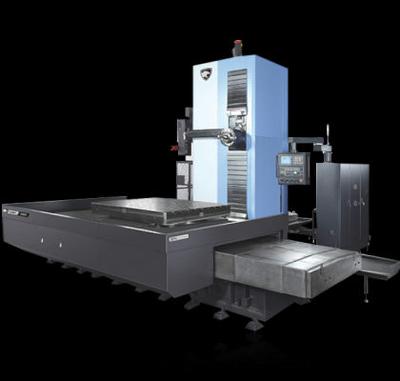 Doosan DBC-110 II (2014)
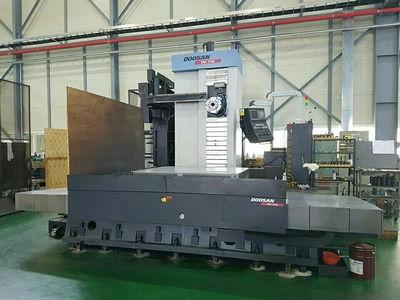 Doosan DBC 110S (2015)
 G&L G-50T (1993)
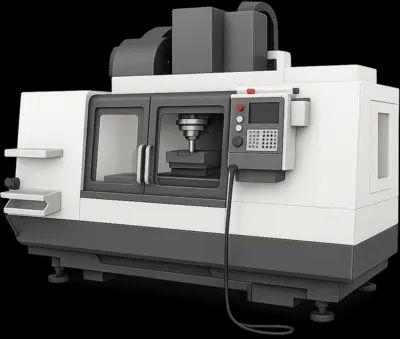 Toshiba BT-8CR
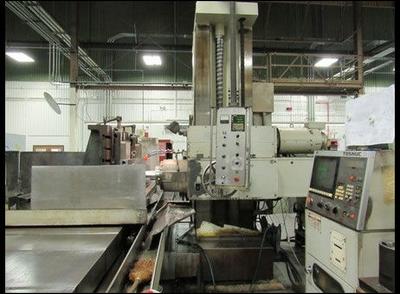 Toshiba BTD-11 (1982)
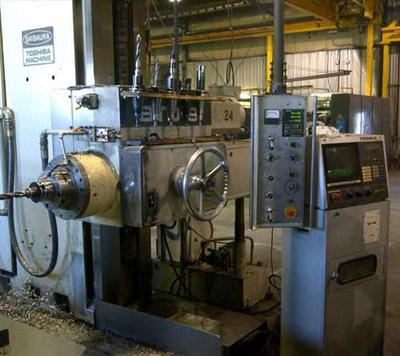 Toshiba BTD-9
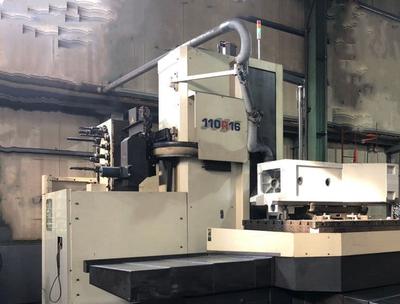 Toshiba BTD110R16 (1997)
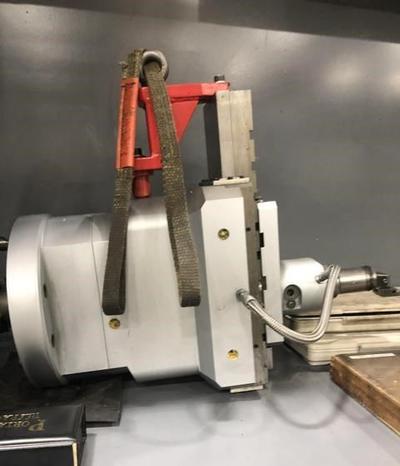 Doosan BP-130II
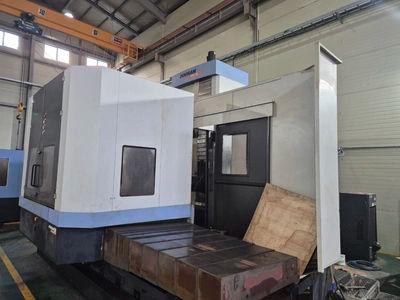 Doosan DBC 110 (2013)
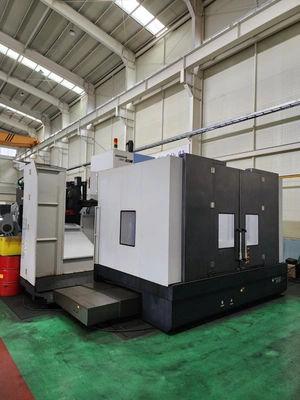 Doosan DBC-250II (2018)
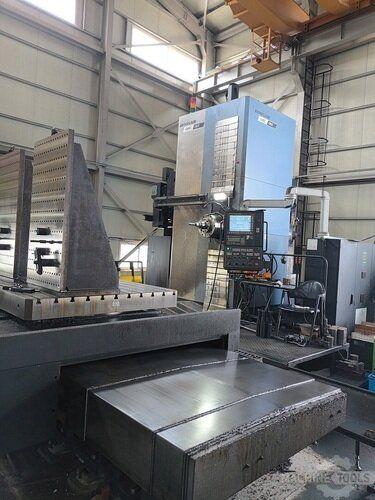 Doosan DBC130 II (2022)
 G&L 360-P
 G&L 360P (2001)
 G&L 514 VBM (2025)
 G&L 560-T
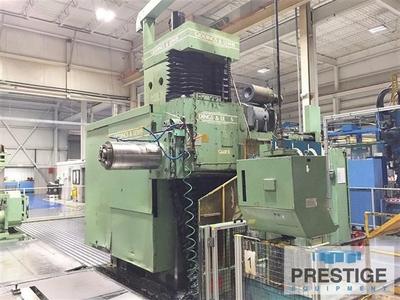 G&L G60-FX
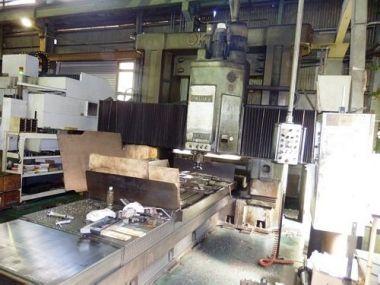 Okuma MDB-16A (1980)
 Toshiba BF 130B (1997)
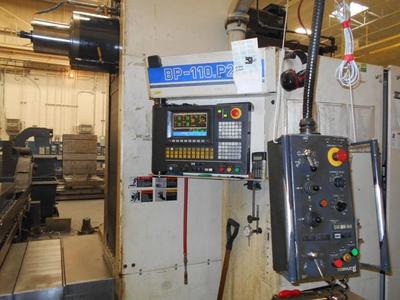 Toshiba BP-110 (1996)
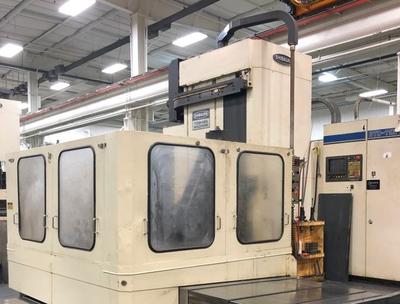 Toshiba BTD-11ER16
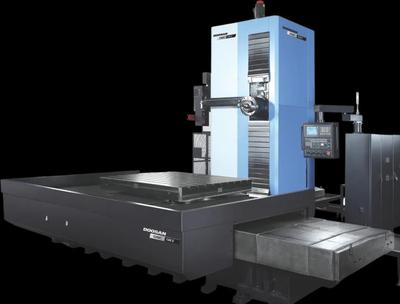 Doosan DBC 130II
 Doosan P90BWIR (2009)
 G&L DISCOVERY D12
 G&L PC50 (2003)
Specs That Matter on a Boring Mill
Spindle diameter and spindle taper set the capacity ceiling on a horizontal boring machine, while table size and table load capacity do the same job on a vertical boring mill. We also confirm the working travel in X, Y, and Z, plus how fast the spindle turns and how much power drives it. A machine with a W-axis quill and an automatic tool changer gets scoped differently than a single-column vertical mill, so tell us which configuration is yours.
What to Have on Hand
Bring the control brand, spindle and table dimensions, and any rebuild or relocation history you have. These are large, often building-integrated machines, so photos of the column, table, and the space around them for rigging matter as much as the numbers on a spec sheet.
Brands We Buy
Toshiba leads our current boring mill inventory, followed by Tos, G&L, Doosan, and Kuraki, with additional machines from PAMA, Amada, Okuma, Biesse, and Hyundai WIA. A machine built as far back as 1969 is still worth a call if the spindle and table are in working order.
Table-Type, Floor-Type, and Planer-Type Formats
Boring mills come in a few distinct formats, and we buy across all of them. Compact table-type horizontal boring machines suit mid-size parts, large floor-type machines handle workpieces too big to move to the tool, and planer-type mills add a moving bridge for long or wide parts. The format changes how a rigging crew plans the pull more than it changes the offer itself, so tell us the format and where it sits in the shop, and we'll plan the pickup around it. A W-axis quill with a boring bar attachment adds capability to a horizontal machine that a simple spindle doesn't have, and an automatic tool changer on a boring mill is less common than on a machining center, so note whether yours has one. Spindle rpm and horsepower also shift by format, a table-type HBM built for general work typically runs faster and lighter than a large floor-type mill built for heavy, slow-feed cuts on castings and structural steel, so two machines with the same spindle diameter can carry very different capability depending on which format they are. We also confirm whether the machine carries its original tooling, boring bars, facing heads, and any digital readout or probing system, since a complete tooling package meaningfully changes what a boring mill is worth to the next shop compared to a bare spindle.
Why Boring Mills Hold Demand
Boring mills handle large, heavy workpieces under high torque and long travels, and replacing one new is a major capital decision, while used supply stays limited because so few come to market at once. That combination keeps a well-maintained machine in real demand even when it's decades old. Union, Wotan and Scharmann machines join Giddings and Lewis, Toshiba, Kuraki, and Tos as brands we see and buy regularly. Because these machines are often anchored to a foundation or built into the floor, the age of the machine matters less to a buyer than whether the spindle still holds tolerance and the way surfaces are in usable condition, a 1960s boring mill with a recently scraped table can draw more interest than a newer machine that's been neglected. Because so few used boring mills come to market in a given year compared to lathes or machining centers, timing matters more too, a shop actively searching for a specific table size or spindle diameter may only see one or two real candidates come up over several months, which keeps a well-documented machine from sitting once it's listed with us. Table load capacity in particular is worth confirming precisely rather than estimating, since two visually similar boring mills can have meaningfully different rated capacities depending on table construction and way design.
PAMA, Amada, and the Rest of Our Boring Mill Brands
Beyond Toshiba, Tos, G&L, Doosan, and Kuraki, we buy boring mills from PAMA, Amada, Okuma, Biesse, and Hyundai WIA, brands that show up less often but still come through our inventory on a regular basis. PAMA machines in particular tend to be large, floor-type units built for heavy structural work, while Amada and Biesse boring equipment we see is usually integrated into a broader fabrication line rather than standing alone. Okuma's boring mill offerings are less common than its lathes and machining centers, but a used Okuma boring mill still gets evaluated the same way any other brand would, on spindle diameter, table capacity, and travel. A machine from any of these less common brands still goes through the same basic evaluation everything else does, spindle diameter, table size, travel, and condition, so being outside our five most common brands doesn't change what we need from you to get a number back.
Common questions
Do you buy surplus conventional horizontal boring mills, not just CNC?
Yes. Machine Tool Exchange buys used CNC and conventional metalworking machine tools, so a manually controlled horizontal boring mill is still worth a call. We evaluate conventional and CNC boring mills on the same basics: spindle diameter, table size, and travel.
Do you buy Toshiba TMD and TUD vertical boring mills?
Yes. Toshiba is the leading brand in our current vertical boring mill inventory, including TMD, TUD, and TUE series machines. Give us the model number, table size, and spindle taper, and we will confirm whether it's a fit.
Do you buy Toshiba BTD and BTH horizontal boring machines?
Yes. BTD and BTH series horizontal boring machines make up a large share of our current boring mill inventory, in R16, R18, and R22 quill-travel configurations. Spindle diameter and table load capacity are the two we confirm first.
Do you buy table-type horizontal boring mills?
Yes. Compact table-type HBMs are in our regular mix, alongside large floor-type and planer-type boring mills. The format affects rigging more than it affects the offer.
Do you buy Giddings and Lewis or Union boring mills?
Yes. Giddings and Lewis is one of the most common brands in our current boring mill inventory, alongside Toshiba, Tos, and Kuraki. We also buy Union, Wotan and Scharmann boring mills, though none are in our inventory right now, so send us the model, table size, and spindle diameter and we will confirm the fit.
Why do used boring mills hold their value?
New boring mills are a major capital purchase and used supply stays limited, since few come to market at once. That combination keeps a well-maintained machine in demand even when it's decades old.
Do you buy planer-type boring mills?
Yes. Planer-type mills, which add a moving bridge for long or wide parts, fall under our boring mill category alongside table-type and floor-type machines.
Does it matter if my boring mill is bolted to a foundation?
Yes, tell us upfront. It doesn't change the offer, but it changes the rigging crew and equipment we schedule, so knowing ahead of time keeps the removal from turning into a multi-day project.
Thinking about selling CNC Boring Mills?
Boring mills rarely leave a shop the way a bed mill does. Most are built into the floor or anchored to a foundation, so the clearance around the column and table matters to us nearly as much as spindle diameter or table load capacity, since it determines how a rigging crew plans the pull. A machine dating back to 1969 with a sound spindle and table is still worth a call, current production or not.