Used CNC Turning Centers We Buy
Used CNC turning centers fill 737 listings in our book, and Machine Tool Exchange buys them straight from the shops that own them, with no broker and no auction house in between. Mazak is the single most common brand at 311 listings, with Doosan and Okuma tied at 120 each and DMG MORI at 97. Here is what actually moves an offer.
737 machines, page 1 of 31
 Doosan PUMA 2000SY (2000)
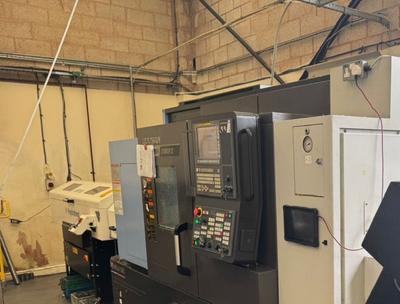 Doosan PUMA-2100SY II (2018)
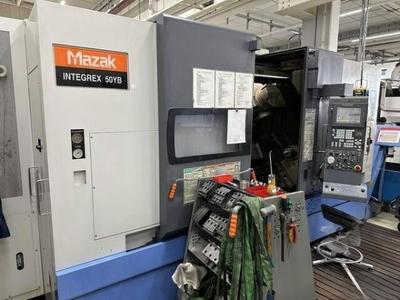 Mazak 50YB
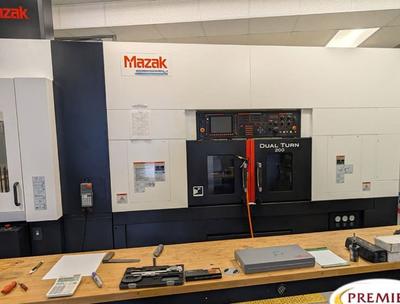 Mazak DUAL-TURN-200 (2022)
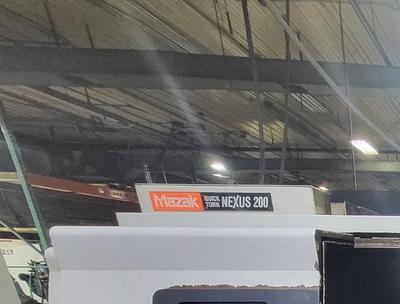 Mazak NEXUS QTN 200 (2006)
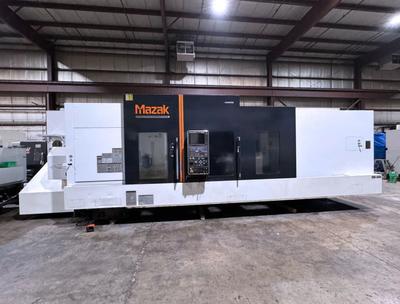 Mazak QTN 450 MY / 3000 (2011)
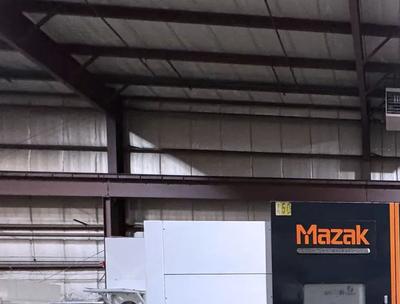 Mazak QTN-450MY/3000 (2011)
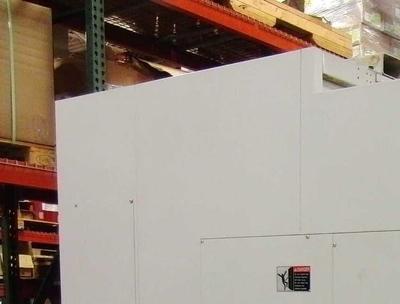 DMG MORI ZT-2500Y (2003)
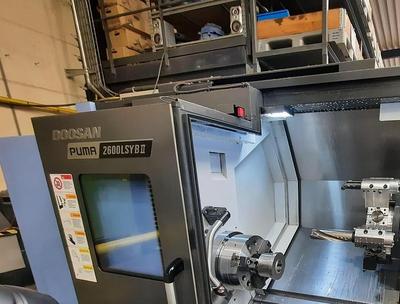 Doosan PUMA 2600LSYB II (2021)
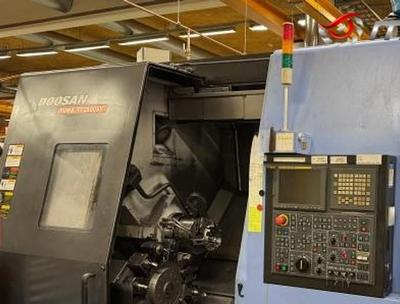 Doosan PUMA-TT2500SY (2008)
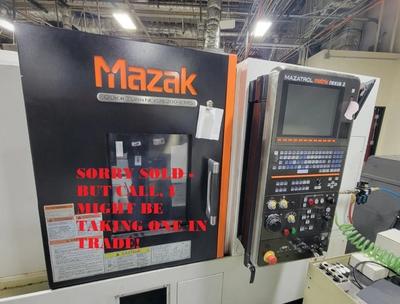 Mazak QTN 200MS II (2016)
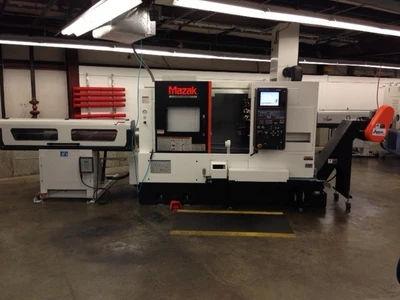 Mazak QTN 250MY (2013)
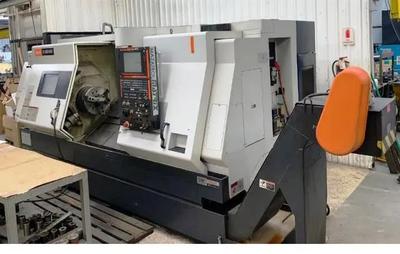 Mazak QTN 400-II (2007)
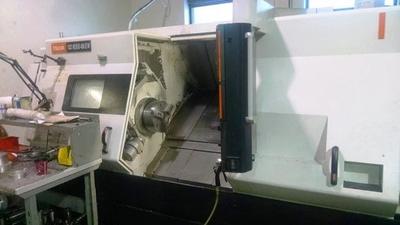 Mazak QTN 400-II M (2010)
 Mazak QTN NEXUS 450MII/1000 (2009)
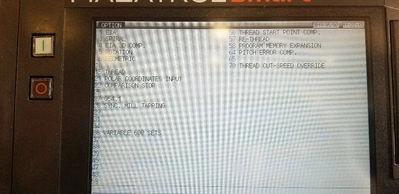 Mazak QTS350M (2014)
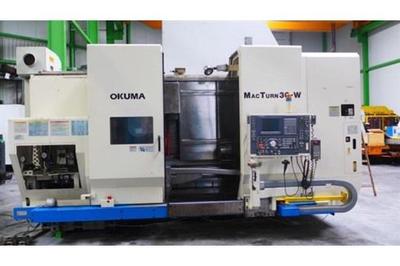 Okuma MACTURN 30-W
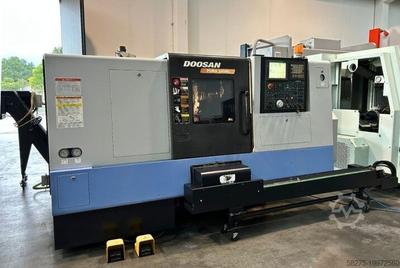 Doosan 240MSB
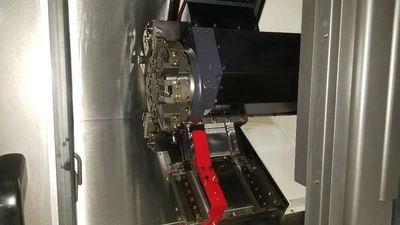 Doosan LYNX 220YA (2016)
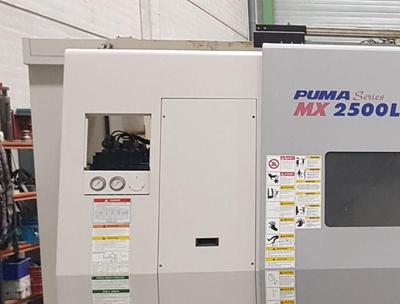 Doosan MX 2500 (2007)
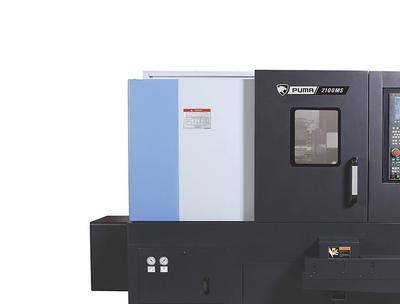 Doosan PUMA 2100SY II
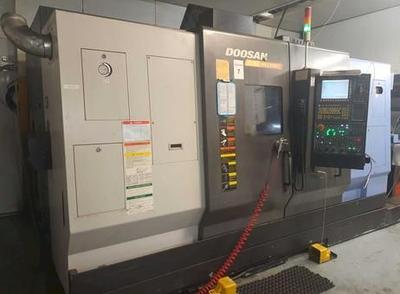 Doosan PUMA MX 2100 ST (2008)
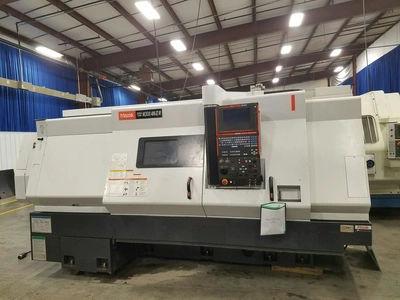 Mazak NEXUS QTN400IIM (2010)
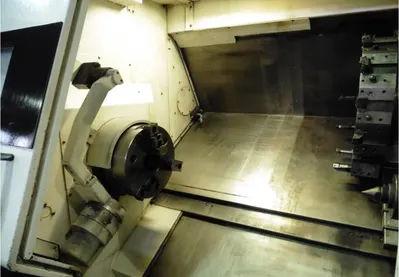 Mazak QTN350 (2010)
What Is in the 737 Turning Center Listings We Hold
Mazak is the single most common brand in this hub at 311 listings. Doosan and Okuma sit exactly tied at 120 each, and DMG MORI follows at 97. Those four builders account for 648 of the 737 listings, and the other 22 builders share the remaining 89, for 26 distinct brands in total. The number that says the most about what this book actually holds is 622 distinct model designations across 737 listings, which means this book is mostly individual machines and specific configurations rather than repeats of a handful of common builds. The listings that record a build year run from 1977 to 2025, and 632 of the 737 carry a year at all. Every one of the listings here sits in the single category CNC Turning Centers, so there is no sub-split to browse: builder, model designation and build year are what separate one machine here from the next, not machine class.
The Model Designations That Come Through Most
QTN leads the model families at 75 listings, with PUMA at 62 and SL at 38. QUICK follows at 33, NEXUS at 31, then LYNX and GENOS tied at 20 apiece. Further down, QUICKTURN and MACTURN carry 12 each, INTEGREX 10, and 2SP and MULTIPLEX 9 each. Those counts belong to the designation, not to a nameplate: 38 listings carry an SL designation, and the catalog does not tie that string to a builder. The full designations are what a shop actually types. QTN 250MY, QTN 350MY II, QTN 350-II MSY, PUMA 2100Y, PUMA 2600SY, PUMA 3100LY, LYNX 220LSY, GENOS L300-MYW, SL-25B/500, MACTURN 250W, NLX2500SMC, HYPER-QUADREX-200MSY, 2SP-V40 and SQT300MY all appear here. On the buying side, the series we ask about by name are Mazak Quick Turn, QTN Nexus and Integrex, Doosan Puma and Lynx, Okuma LB, Captain-L, GENOS L and Multus, DMG Mori NL, NLX and NTX, and Haas ST and DS-30.
What Determines the Offer on a Used Turning Center
Send the brand, model, year, chuck size and bar capacity first, then the part that separates two machines wearing the same nameplate: live tooling, a Y-axis or C-axis, a sub-spindle, or full mill-turn capability. Add the control type, whether Fanuc, Siemens, Mitsubishi or the builder's own, and spindle hours if the shop tracks them. Photos help but are not required. Jason Puuri scopes the machine himself rather than running it through a formula, and an offer comes back inside 24 to 48 hours. A sub-spindle and live tooling change what a shop can run on the machine, which is why we ask about them before we get to the model number. Age works the same way. The listings here that record a build year run from 1977 to 2025, so a late-1970s two-axis machine and a current mill-turn are genuinely different conversations. A tooling list helps as much as the photos do.
Turning Center or CNC Lathe: Which One You Have
Start at the data plate. A CNC turning center is an enclosed, computer-controlled machine built for production turning, and most carry an automatic tool changer, a chip conveyor and a programmable tailstock. Many add Y-axis and C-axis capability, live tooling or a sub-spindle. CNC lathe is the looser term. It can mean a simpler two-axis machine, and it gets used for the whole category of turning equipment, which is why owners land on the wrong page. The practical test is the plate itself: if it says turning center, the machine is generally the more capable, production-oriented one, and this is the page for it. If it reads as a plain two-axis lathe, our CNC lathes hub is where it belongs. All 737 listings here sit in the one category CNC Turning Centers, so this hub is the turning-center side of that split in full. Either way, if it turns parts, we are interested.
Selling a Turning Center Without a Broker or a Listing Fee
MTE is a direct buyer, not a broker and not a listing service, so nothing here involves posting the machine and waiting. No broker fees, no listing, no auction commission. We arrange rigging, crating and freight at no cost, in all 50 states, and we handle the pickup. Condition is not a filter: running production, sitting idle since a job ended, or down and needing work. Turning centers make logistics specific. A loaded mill-turn with a sub-spindle and a bar feeder is a different rigging problem than a bare two-axis machine, and the chucks, steady rests and tooling need to travel with it or be called out before pickup. We have been buying and selling used CNC equipment since 2012 as an affiliate of Superior Machine & Tool, so we know what a shop will actually run and what will sit. Call 800-822-9524 or send details through the offer form.
The Turning Center Builders Behind the Big Four
Behind Mazak, Doosan, Okuma and DMG MORI, 89 listings spread across the rest of the book. Haas is next at 16, then Nakamura-Tome at 14, Emag at 12, Tsugami at 9, Toshiba at 7, Hyundai WIA at 6, Landis Machine Co at 4 and G&L at 3. Georg, DEMAG, Makino and Grob hold 2 apiece. Brother, Dn Solutions, Hankook, Amada, Biesse, Toyoda Americas, Citizen, Liebherr and Starrag are single listings, present rather than plentiful, so a search on one of those names lands on a real machine instead of nothing. Hardinge, Hwacheon and Samsung turning centers are equipment we buy as well, whether or not one is on the yard right now. If the floor is mixed, our CNC lathes hub covers the two-axis side, and our horizontal, vertical and 5-axis machining center hubs cover the milling side of the same pickup. We buy the whole floor on one schedule, not brand by brand.
Common questions
Who buys used CNC turning centers?
Machine Tool Exchange buys them nationwide, direct from the shops that own them, including Mazak, Doosan, Okuma, DMG Mori and Haas turning centers. No listing fees, no auction commissions.
Is a turning center the same as a CNC lathe?
Not quite. A turning center is the more capable, production-oriented machine: enclosed, with a tool changer and chip conveyor, often with live tooling or a sub-spindle. We buy both.
Do you buy turning centers with live tooling or a sub-spindle?
Yes. Any configuration is in scope, including live tooling, sub-spindle, Y-axis, C-axis and mill-turn machines. Tell us what the machine is set up to run.
What do you need to know to make an offer on my turning center?
Brand, model, year, chuck size, bar capacity, live tooling or sub-spindle, control type and spindle hours if tracked. Photos help but are not required.
Who pays for rigging, crating and freight?
We do. MTE arranges and pays for rigging, crating and freight in all 50 states, so moving the machine off your floor costs you nothing out of pocket.
Who handles the pickup for the machine?
We buy outright, arrange the pickup, and send the crew to move the machine.
Will you buy a turning center that is idle or needs work?
Yes. Running production, parked since the job ended, or down and waiting on a repair decision, all get evaluated. Say what is wrong up front.
Thinking about selling CNC Turning Centers?
Two turning centers can carry the same nameplate and still be different machines, because a sub-spindle, live tooling and a Y-axis change what a shop can do with one. That configuration line is the first thing Jason Puuri asks about, ahead of the model number. Send the data plate and the tooling list, and rigging and freight are ours to arrange.