
Used CNC Lathes We Buy
Used CNC lathes are the largest machine type we buy, and Machine Tool Exchange purchases them straight from the companies running them. What we hold spans Doosan turning centers in the Puma and Lynx lines, Mazak Quick Turn lathes, Okuma Genos and Impact models, and Haas ST-Series machines, with production years from 1970 to 2026. The offer comes directly from us, so there is no broker fee or auction commission.
9,509 machines, page 1 of 397
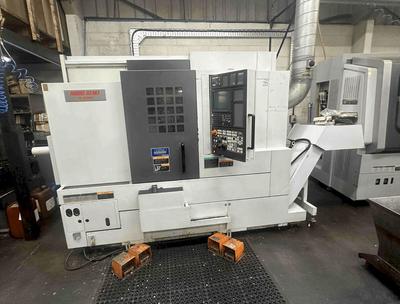 DMG MORI NL-2000- MC (2005)
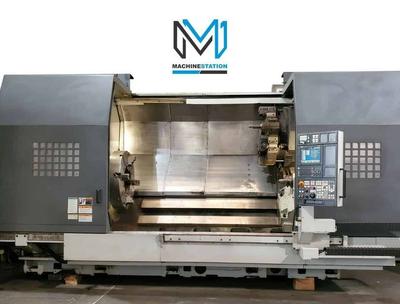 DMG MORI SL-603CMC/2000
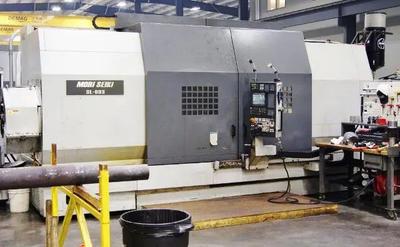 DMG MORI SL 603D/2000 (2005)
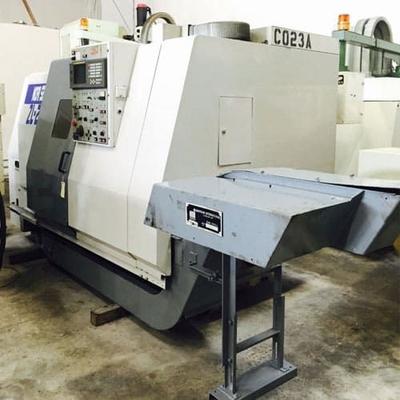 DMG MORI ZL-25B
 DMG MORI ZL150MC (2001)
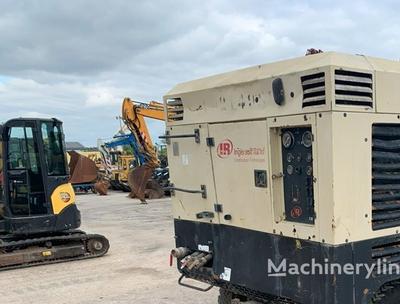 Doosan 12/235 (2008)
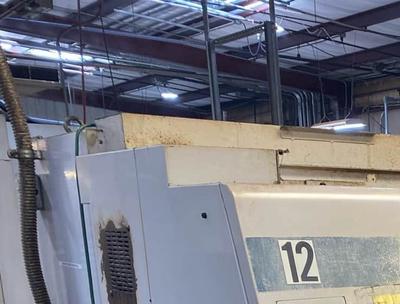 Doosan 250B (1997)
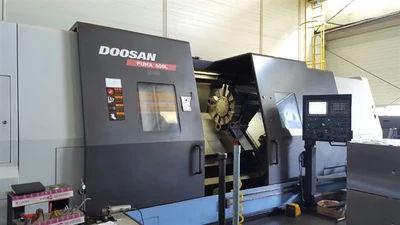 Doosan 600L (2012)
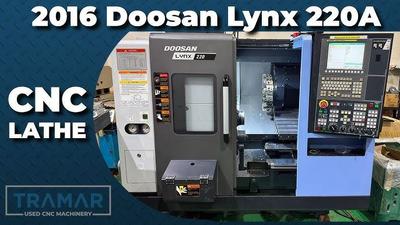 Doosan Lynx 220L (2016)
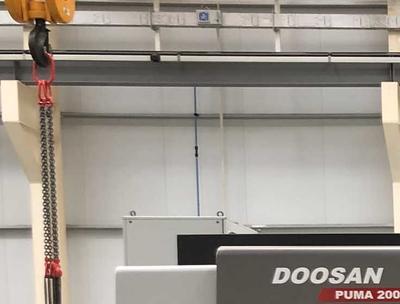 Doosan PUMA-200S
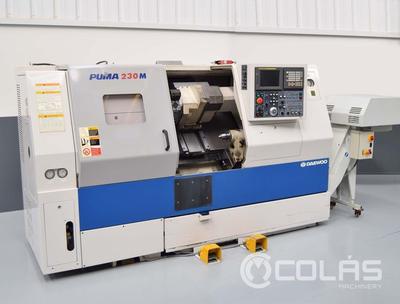 Doosan PUMA 230M
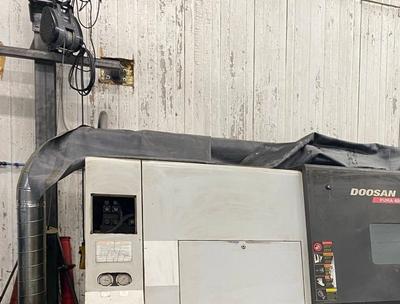 Doosan PUMA-400LMB (2007)
 Doosan VT1100M (2013)
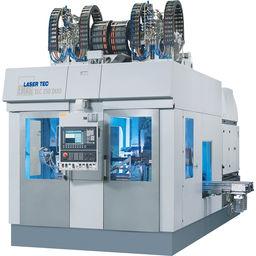 Emag ELC 250 DUO
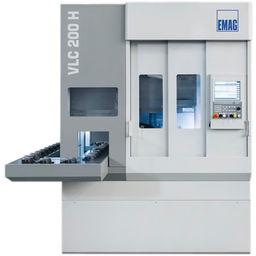 Emag VLC 200 H
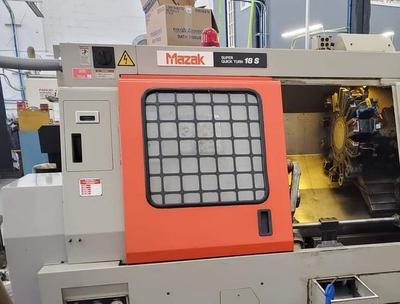 Mazak 18
 Mazak 25 HR (2000)
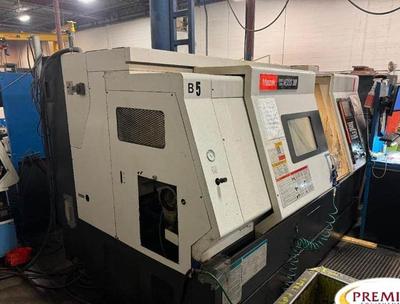 Mazak 300 (2005)
 Mazak C (2010)
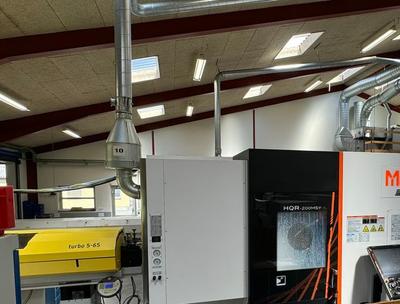 Mazak HQR 200 MSY (2018)
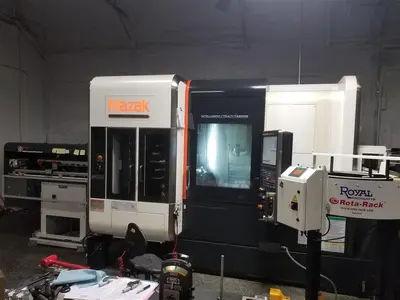 Mazak I-100 BARTAC-S (2014)
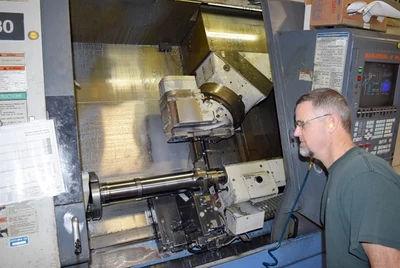 Mazak INT 30Y 1500 (1997)
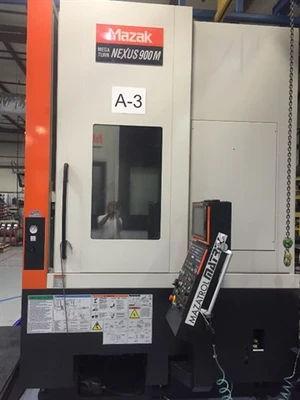 Mazak MEGATURN 900M (2010)
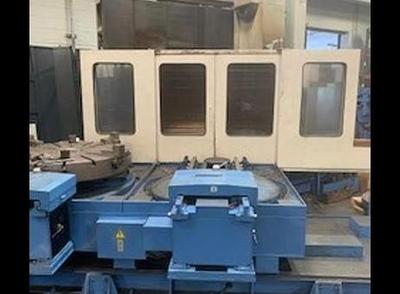 Mazak Megaturn A12 w/2 Pallets (1984)
What We Look At on a Used CNC Lathe
Chuck size, spindle bore, and bar capacity set the ceiling on what a lathe can turn, and they're the numbers we check first. Swing, spindle speed, spindle nose configuration, and machining length follow, along with whether the machine carries live tooling, a sub-spindle, or a Y-axis for mill-turn work. A two-axis toolroom lathe and a multi-axis production turning center get evaluated differently, so tell us which one you have.
Getting Ready for a Site Visit
Pull together the control brand and software version, spindle hours if the machine logs them, and any maintenance or rebuild paperwork before we come out. Photographs of the chuck, turret, and control panel let us scope the machine ahead of time instead of guessing on site.
Brands and Configurations We Buy
Our lathe inventory includes machines from Mazak, Okuma, Doosan, DMG MORI, Poreba, Haas, Tos, Chevalier, Hyundai WIA, and Nidec Machine Tool, in horizontal turning centers, toolroom lathes, and double-column vertical turret lathes. Being outside that brand list does not rule your machine out. Send us the model and control details and we will let you know how it fits.
Lathe Types Beyond Standard Turning Centers
Our lathe category covers more than production turning centers. We buy 2-axis CNC lathes, gang-tooling lathes for small-part high-mix work, Swiss-type lathes for long, slender parts, and engine lathes, manual or CNC-converted, still doing real work in a toolroom. If your lathe is a fully automated turning center with a sub-spindle and live tooling, built for high-volume production, it may fit better under our CNC turning centers category instead, but we buy both and will sort it out either way. Gang-tooling lathes in particular get evaluated differently than a turret-style machine, tool count and changeover speed matter more than swing, since shops running gang tooling are usually optimizing for cycle time on smaller parts rather than handling large-diameter work. A Swiss-type lathe in particular needs a different kind of evaluation than a standard turning center, guide bushing condition and the collet system matter more than chuck size, since the whole design is built around holding long stock rigidly rather than clamping a short workpiece in a chuck. Double-column vertical turret lathes fall under this same lathe category too, table swing and load capacity displace those two figures as the numbers that matter most, since the workpiece sits on a rotating table rather than being held in a chuck.
More Brands in the Lathe Category
Beyond Mazak, Okuma, Doosan, DMG MORI, Poreba, and Haas, our lathe inventory includes Mori Seiki NL and NLX turning centers, plus Hardinge, Samsung, Hyundai-Wia, and Hwacheon machines. If your brand isn't on either list, that doesn't rule it out. Nearly every manufacturer that built a CNC lathe has come through our inventory at some point, so name the model and we will place it. Hardinge in particular shows up often in toolroom and Swiss-type configurations rather than production turning centers, so we scope those against their own category rather than comparing them to a Mazak Quick Turn or a Doosan Puma running full production. Samsung and Hwacheon lathes in particular tend to show up in mid-volume production shops rather than toolrooms, so when we see one it's usually a multi-axis turning center rather than a bare two-axis machine, and we scope it accordingly instead of treating it as a plain two-axis machine because the brand is less commonly discussed.
What a Site Visit Looks Like
Once we have your lathe's basics, model, control, chuck size, and condition, most of what's left gets settled with a short visit or a video call rather than a lengthy inspection process. We're checking that the spindle turns freely, that the chuck and turret move through their full range, and that the machine matches what was described over the phone. For a single lathe, that's usually enough to finalize a number on the spot. For a full turning cell or a shop liquidation with a dozen or more lathes, we walk the floor once, note serial numbers and condition machine by machine, and come back with one consolidated offer instead of quoting each lathe separately over multiple calls. We also confirm what tooling is actually installed versus what's listed on an old spec sheet, a lathe that shipped with live tooling and a Y-axis years ago sometimes has that capability removed or disabled by the time it's ready to sell, and catching that during the visit avoids a number that has to be revised downward later. If a machine is missing its original chuck or tooling package, tell us during that first call rather than after a visit is scheduled, since it changes what we can offer and we'd rather set the right expectation upfront.
Common questions
Do you buy used double column vertical turret lathes?
Yes. Double column VTLs are one of the configurations we buy under our CNC lathes category, alongside horizontal turning centers and toolroom lathes. Send us the brand, model, table swing, and control system and we will tell you whether it is a fit.
How do you decide what to offer for a used CNC lathe?
Owner Jason Puuri reviews every machine personally, weighing brand and model, chuck diameter and bar capacity, control system, spindle condition, and current demand for that configuration. We do not publish a pricing formula because every lathe and every shop's documentation is different.
Do you buy used Mazak CNC lathes?
Yes. Mazak is the largest single brand in our current lathe inventory, including Quick Turn and Slant Turn models, alongside Okuma, Doosan, DMG MORI, Poreba, and Haas lathes.
What's the difference between your CNC lathes and CNC turning centers pages?
Fully automated turning centers with live tooling and sub-spindle capability, built for high-volume production, are a distinct sub-category from general CNC lathes. We buy both, so name the model and we will sort your machine into the right one.
Do you buy Swiss-type lathes?
Yes. Swiss-type lathes for long, slender parts fall under our lathe category too, alongside gang-tooling and 2-axis CNC lathes.
Do you buy manual or CNC-converted engine lathes?
Yes. Engine lathes still doing real work in a toolroom, manual or CNC-converted, count toward our lathe inventory alongside full CNC turning centers.
Do you buy Mori Seiki or Hardinge lathes?
Yes. Mori Seiki NL and NLX turning centers, along with Hardinge, Samsung, Hyundai-Wia, and Hwacheon lathes, show up in our inventory regularly alongside Mazak, Okuma, Doosan, and Haas.
How does MTE handle a full turning cell instead of one lathe?
We walk the floor once, note serial numbers and condition machine by machine, and come back with one consolidated offer instead of quoting each lathe separately over multiple calls.
Thinking about selling CNC Lathes?
Lathes are the deepest category we buy, so the gap between a bare two-axis toolroom machine and a Y-axis mill-turn lathe with live tooling and a sub-spindle shows up directly in what we can offer. Spindle bore and turning length set the ceiling, but configuration separates otherwise similar machines from each other. Jason Puuri looks at every lathe individually, and chuck, turret, and control photos ahead of a visit speed things up considerably.