
Used Gleason Gear Machines We Buy
Used Gleason machines are a specialty corner of what Machine Tool Exchange buys, and we purchase them straight from the shops that own them, with no broker and no auction in between. Our Gleason hub holds 606 listings across 378 distinct models, most of it CNC gear machinery. Here is what actually moves an offer.
 Call 517-514-5190
- 606Gleason units indexed
- 24–48hQuote turnaround
- Since 2012Buying machines
- DirectNot a broker


How Selling Your Gleason Works
Read us the plate
Call or use the form with the model and serial number from the Gleason plate, whether it is a Phoenix bevel cutter, a Genesis or Pfauter hobber, a GP shaper or an older numbered bevel generator. Add the control and the cutters, change gears and workholding that stay with it. Photos help but are optional.
Get a quote within 24-48 hours
We price your Gleason against what gear machines are trading for right now and send an offer, usually within 24 to 48 hours. You are dealing with a direct buyer, not a broker, and we have been buying used machines since 2012.
We can arrange rigging, freight and pickup
Accept the offer and we can arrange the rigging, crating, freight and pickup, from a compact GP shaper to a large P-Series or Titan machine that needs a crew and a heavy truck.
606 machines, page 1 of 26
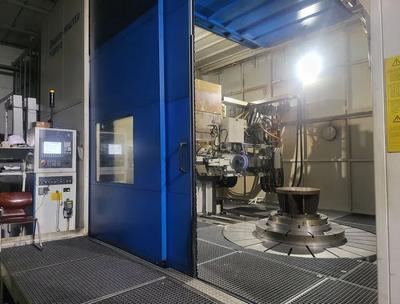
- CNC Gear MachineryGleason 350 GMS (2015)
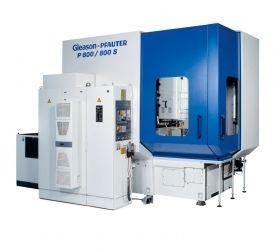
- CNC Gear MachineryGleason P 800 S
- CNC Gear MachineryGleason PHOENIX 200 HG (1997)
- CNC Gear MachineryGleason 500HL
- CNC Gear MachineryGleason 514
- CNC Gear MachineryGleason No. 16
- CNC Gear MachineryGleason P 2000 G
- CNC Gear MachineryGleason P 2400/2800 (2007)
- CNC Gear MachineryGleason P3200G (2005)
- CNC Gear MachineryGleason PHOENIX 125GH
- CNC Gear MachineryGleason 2010 (2010)
- CNC Gear MachineryGleason 2010 GMAXX (2010)
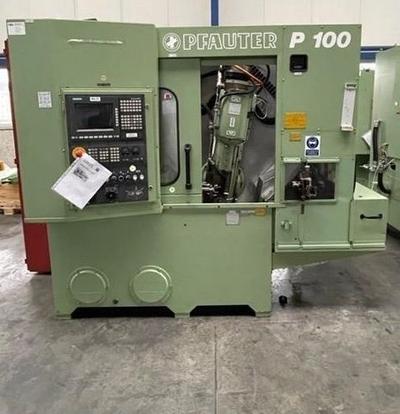
- CNC Gear MachineryGleason P 100 (1998)
- CNC Gear MachineryGleason P 90 WM
- CNC Gear MachineryGleason P1600
- CNC Gear MachineryGleason P5000
- CNC Gear MachineryGleason P90 (2022)
- CNC Gear MachineryGleason Tag (1997)
- CNC Grinding MachinesGleason 120 (1980)
- CNC Gear MachineryGleason 300 CG CNC (2005)
- CNC Gear MachineryGleason 513
- CNC Gear MachineryGleason 609
- CNC Gear MachineryGleason 643 (1980)
- CNC Gear MachineryGleason No. 516 Hypoid








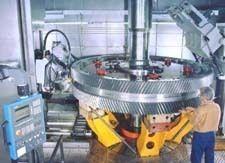


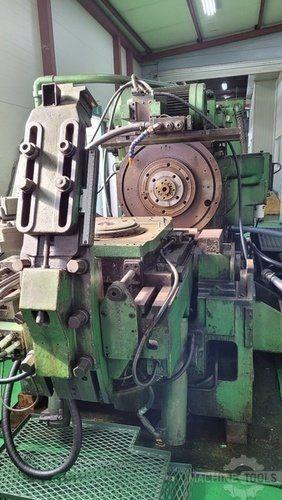


Who Makes Gleason Machines
Gleason machines come from Gleason Corporation of Rochester, New York. William Gleason opened a one-room shop there in 1865, making metalworking tools along with turning and planing machines, and in 1874 he invented the first bevel gear planer, the machine that set the company on its path into gears. He incorporated The Gleason Works as a New York State corporation in 1903, and in 1984 The Gleason Works was restructured into Gleason Corporation.
Gleason now describes itself as the largest gear systems provider worldwide, with over 2,400 employees. Its products are built around one job: making high-precision gears, geared shafts and worm-type parts, external or internal, in metal or plastic.
Where Gleason Builds Its Machines Today
Gleason's list of operations runs from The Gleason Works in Rochester to Gleason-Pfauter Maschinenfabrik in Ludwigsburg, Germany, Gleason Switzerland in Studen, Gleason Works India in Bangalore, Gleason Gear Technology in Suzhou, China, and Gleason-Saikuni in Niigata, Japan. Gleason says the Suzhou plant builds gear machines and tools, and that the Studen site opened in 2018 as a technology and production center for automotive gear work.
The Genesis line, introduced in 2006, is built in several locations around the world, so the plant behind a used Genesis can vary from one machine to the next. Gear inspection and tooling sit in separate US companies: Gleason Metrology Systems in Dayton, Ohio, and Gleason Cutting Tools in Loves Park, Illinois.
Gleason Milestones That Help Date a Machine
Dates from Gleason's own Milestones in Gear Technology page, which runs to 2024. The badge on a machine, or the family it belongs to, places it on this timeline:
| Year | What happened |
|---|---|
| 1865 | William Gleason opens a one-room shop in Rochester, New York |
| 1874 | William Gleason invents the first bevel gear planer |
| 1900 | Hermann Pfauter patents gear hobbing and starts building hobbing machines |
| 1903 | The Gleason Works is incorporated |
| 1913 | James E. Gleason and Arthur Stewart design the spiral bevel gear |
| 1984 | The Gleason Works becomes Gleason Corporation |
| 1988 | The first Phoenix machine is shown to the public |
| 1995 | Carl Hurth's Munich company joins Gleason |
| 1997 | Hermann Pfauter Werkzeugmaschinen joins Gleason |
| 2005 | M&M Metrology Systems joins and becomes Gleason Metrology Systems |
| 2006 | The Genesis line of cylindrical gear machines reaches the market |
| 2013 | Saikuni Machinery, the rack machine builder, joins Gleason |
| 2020 | Forest City Gear cuts the Mars rover's gears on a Gleason GP300ES shaper |
Every year is from Gleason's milestones page. It dates the company, its acquisitions and its machine families, not individual machines, so the serial number and build year on the plate still date the one you own.
Pfauter, Hurth and Other Names Under the Gleason Roof
Several gear machine builders now sit inside Gleason, and their names still turn up on data plates. Hermann Pfauter patented the gear hobbing process in 1900 and founded his own company to build hobbing machines. Hermann Pfauter Werkzeugmaschinen joined Gleason in 1997, which is how Gleason came to sell cylindrical gear machines alongside its bevel machines, and the Ludwigsburg plant still carries the Gleason-Pfauter name.
Carl Hurth's Munich company, founded in 1896, became part of Gleason in 1995 and brought threaded wheel grinding, honing and shaving with it. M&M Metrology Systems joined in 2005 and was renamed Gleason Metrology Systems, Saikuni Machinery of Niigata, a rack machine specialist, joined in 2013, and Gleason bought Faessler's gear honing business in 2019. A Pfauter hobber, a Hurth shaver or an M&M gear checker belongs to the Gleason family, and we quote it the same way.
Bevel Machines and Cylindrical Machines
Gleason splits its machines into two halves. On the bevel side, Phoenix is the name on both the cutting machines, from the Phoenix 100C for robotic and power-tool gears up to the Phoenix 1000HC for large bevel gears, and the grinders, from the Phoenix 280G for automotive and small-truck gears to the Phoenix 800G for large gears and pinions. Gleason first showed the Phoenix in 1988 and calls it a radical departure from any gear cutting or grinding machine built before it.
On the cylindrical side, Genesis covers vertical hobbing (the Genesis 130H/210H and 400H) and threaded wheel grinding (the Genesis GX), the P-Series covers universal hobbing for mid-size gears, and the Titan Series hobs and grinds large gears. Gleason's shapers run from the compact GP Series, for gears up to 300 mm, to P Series shapers for gears up to 3,200 mm, and its P2000G to P6000G machines profile-grind large gears.
Gleason Line Names and What They Cut
The names on Gleason's current machine pages, and the work Gleason builds each line for:
| Name on the machine | What Gleason builds under it |
|---|---|
| Phoenix, C and HC models | Bevel gear cutting, from robotic and power-tool gears to large bevel gears |
| Phoenix, G models | Bevel gear grinding, from automotive gears to large gears and pinions |
| Genesis, H models | Vertical gear hobbing, with optional chamfering |
| Genesis GX | Threaded wheel grinding for high-volume production |
| P-Series hobbers | Universal hobbing for mid-size gears |
| GP Series | Compact gear shaping, up to 300 mm |
| P Series shapers | Shaping of medium gears up to 800 mm and large gears up to 3,200 mm |
| Titan Series | Hobbing and grinding of large gears |
| P2000G to P6000G | Profile grinding of large gears |
Names and descriptions are from Gleason's current machine pages. Older numbered Gleason machines are not on those pages, so send the number from the plate.
Gleason Upgrades That Change a Machine's Value
Gleason keeps older machines in its modernization program, and that shows up in what a used one is worth. It offers complete remanufacture, in which the machine goes back to Gleason to be fully taken apart and rebuilt, and it publishes modernization packages for the P60 hobber, the Phoenix 125GH/200GH hobbing machines, the Phoenix 175HC and 450HC bevel cutters and the P800G to P3000G grinders. If yours has been remanufactured, modernized or given a CNC retrofit, tell us, because it is a different machine from one that left the factory untouched.
Gleason's own service request asks for the model, the serial number, which it says is found at the machine's main switch, the year of manufacture and the type of control, listing Bosch, FANUC, NUM and Siemens. Those are the same details that place a used Gleason for us.
Gleason Service and Remanufacturing, or Selling Outright
In 2007 Gleason merged its local service organizations into one network, Gleason Global Services, which it put at nearly 300 service professionals worldwide. Its service programs climb through three preventive maintenance levels, Basic, Silver and Gold, and it runs a separate spindle service. That route makes sense for a Gleason you plan to keep cutting gears. For one that has finished its work in your shop, we buy it outright, and a Gleason service report or a record of a rebuild is worth sending along with the plate details.
What Sits in the Gleason Listings Right Now
The Gleason hub runs 606 listings, and the shape of it is lopsided in a useful way. 433 of them sit under CNC Gear Machinery and another 149 under Metal Cutting, so those two buckets are 582 of the 606. Everything else is a thin tail: CNC Grinding Machines at 7, CNC Miscellaneous Machines at 7, CNC Tool and Cutter Grinders at 3, CNC Spline Cutting Machines at 2, then five categories holding a single listing each, namely CNC Tooling and Accessories, CNC Band Saws, CNC Miscellaneous MRO, Other Machinery, and CNC Drilling and Tapping Centers. Read that tail as range, not depth. Gleason is not one of the ten largest brands in our catalog and we will not pretend otherwise. What this hub carries is 378 distinct Gleason models, a wider spread than the listing count suggests, and breadth is what matters when you are placing an unusual machine.
Gleason Model Families We See Most
PHOENIX is the largest single model family here at 41 listings, then GP at 17 and SIGMA at 12. After that the counts fall off quickly. 125GH, 516 and 275 each show 10, PENTAC 9, and 116 shows 8. TAG, 175HC, 104, 608, 463 and 600 all sit at 6, while PFAUTER, G320, GP200S, 450HC and FSP each appear 5 times. PFAUTER here marks machines from Hermann Pfauter, the German hobbing-machine builder that joined Gleason in 1997, so they sit in this hub with the other Gleason machines. The honest read is that nothing dominates. 41 Phoenix listings out of 606 means the book is spread across 378 distinct models. 109 model families carry two or more listings, and the rest of the model numbers appear exactly once. Most Gleason model numbers show up here once or twice rather than by the dozen, so an odd number on your data plate is normal traffic for us.
Older and Numbered Gleason Machines Still Count
A lot of Gleason iron predates CNC controls, and we buy it on the same terms as anything current. The numbered machines are genuinely here: 516 at 10 listings, 116 at 8, then 608, 104, 463, 600, 2A and 24A at 6 each, and 102, 106, 502, 503, 512, 514, 609 and 641 at 5 each. 17A, 519, 606 and 726 each show 4, and 13A shows 3. Machines listed by a plain No. designation turn up as well. The Metal Cutting category, holding 149 of the 606 listings, is where much of that older equipment lands. One caution on age, because a catalog is easy to misread: only 280 of the 606 listings carry a recorded build year, and the listings that do run from 1970 to 2025. A missing year in the record is not a reason we would pass on a machine. Send the plate and we will place it.
What Determines the Offer on a Used Gleason
A gear machine is not scoped the way a machining center is. Runtime matters, but capacity and the cutter and workholding package carry more weight on a Gleason than spindle hours alone. Jason Puuri looks at the model, the year, the condition, the control type, and the max gear diameter capacity, then weighs demand for that machine from automotive, aerospace and power transmission shops. He does the judging himself rather than running a formula. Tooling is a real line item, not an afterthought. PENTAC cutter-system machines come through this hub at 9 listings, and CNC Tooling and Accessories appears as its own category above, so cutter heads, change gears and index plates get scoped alongside the iron rather than assumed in. If a machine is missing its cutter package or its change gears, say so on the first call. That moves the number less than a wrong assumption found at pickup.
Have This Ready Before You Call
The fastest route to a number is the data plate. Send the Gleason model and serial, the build year, the control type, and the max gear diameter capacity. Then list what travels with the machine: the cutter and workholding package, change gears, index plates, fixtures, and any inspection tooling. Tell us whether it is still holding tolerance, still under power, or has been sitting idle. Photos are not required, but one shot of the data plate, the control, and the cutter head gets a first number back faster than a written description does. The spread of Gleason model numbers is why the plate matters. With 378 distinct Gleason models in the hub and 109 families carrying two or more listings, a plate reading places your machine in seconds, where a description leaves us guessing between a 516 and a 519. Quotes on a Gleason typically come back within 24 to 48 hours of that.
Selling to MTE Instead of Trading In or Listing
MTE is a direct buyer. We are not a broker, a listing service, or an auction platform, so there is no listing and no waiting while somebody hunts up a third-party buyer. Machine Tool Exchange is an affiliate of Superior Machine and Tool, buying and selling used CNC equipment since 2012, which is where the gear machine knowledge comes from. We can arrange rigging, crating and freight. We can arrange the pickup, and we buy in all 50 states, in any condition, including machines sitting idle or needing work. Gleason itself runs no general buyback program. Some dealers will discuss trade-in, but that is tied to buying a new machine and terms vary. If you just want the machine off the floor and the deal done, that is the transaction we do. Call 517-514-5190 or use the form at /sell-your-cnc-machine/.
Sources for the Gleason facts on this page
- Milestones in Gear Technology, Gleason Corporation
- About Gleason, Gleason Corporation
- Operations, Gleason Corporation
- Bevel Gear Cutting Machines, Gleason Corporation
- Bevel Gear Grinding Machines, Gleason Corporation
- Hobbing up to 300 mm, Gleason Corporation
- Hobbing up to 800 mm, Gleason Corporation
- Hobbing up to 10,000 mm, Gleason Corporation
- Gear Shaping Machines, Gleason Corporation
- Profile Grinding Machines, Gleason Corporation
- Threaded Wheel Grinding Machines, Gleason Corporation
- Gear Manufacturing Machines Modernization, Gleason Corporation
- Service Programs for Gear Manufacturing Machines, Gleason Corporation
Ready to sell your machine? Tell us what you have and get a competitive offer in 24-48 hours. We can arrange the removal, rigging and logistics, and the truck to move it.
Machine Tool ExchangeNationwide CNC machine buyer since 2012
- 24-48h quote
- Coast-to-coast
 24-48h quote
 Coast-to-coast
Customer Reviews
Superior Machine & Tool completed the removal of all our equipment precisely according to our timeline and specifications. Their professionalism and reliability made them a pleasure to work with, and we highly recommend their services.
Closing down our facility was stressful, but these folks made selling our surplus equipment fast and easy. Their team handled payment right away and coordinated removal like pros.
We had a deadline for our asset removal, and they removed everything safely and finished ahead of schedule. The whole process was seamless and stress-free.
These guys made the whole process so easy. I got paid fast, and they picked up the equipment right on time.
Common questions
How do I sell a used Gleason gear machine?
Send the model, year, condition, control type and max gear diameter capacity. We quote within 24 to 48 hours, then rig, freight and arrange the pickup.
What determines what a used Gleason machine is worth?
Model, build year, gear capacity, condition, control type, and the cutter and workholding package that comes with it. Jason Puuri weighs all of it himself.
Who buys used Gleason machines?
Machine Tool Exchange buys them direct, from gear hobbers to inspection equipment. We are the buyer, not a listing service or an auction platform.
Does Gleason buy back used machines?
Gleason runs no general buyback program. Dealer trade-in terms exist but are tied to a new machine purchase. We buy outright, with nothing attached.
Will you buy an older Gleason that is not a CNC machine?
Yes. 149 of the 606 Gleason listings sit under Metal Cutting rather than a CNC category, and numbered models like the 516 and 24A come through regularly.
Do you arrange rigging and freight, and who arranges the pickup?
We can arrange rigging, crating and freight, in all 50 states. We buy outright and arrange the pickup.
Do you buy Gleason gear inspection and testing equipment?
Yes. The hub carries 12 SIGMA listings, 2 GRSL, and 3 machines under CNC Tool and Cutter Grinders. We buy inspection equipment on the same terms.
Do you buy other gear machine brands alongside a Gleason?
Yes. We also buy Mazak, Makino and Liebherr gear machines, each with its own hub here. A mixed floor goes on one quote and one pickup.
Who owns Gleason Corporation?
By Gleason's own account, a merger in 2000 took the company from being publicly traded to private ownership, led by James S. Gleason, Andrew Gleason's grandson. The family name goes back to William Gleason, who opened a one-room shop in Rochester, New York, in 1865, and the business has carried the Gleason Corporation name since 1984.
Is Gleason Works still in business?
Yes. The Gleason Works in Rochester, New York, is still on Gleason's list of operations, and Gleason reports over 2,400 employees worldwide. William Gleason incorporated The Gleason Works in 1903 and it was restructured into Gleason Corporation in 1984, so an older Gleason plate can carry either name.
What does Gleason Works make?
Gleason builds machines for every kind of gear: Phoenix bevel gear cutters and grinders, Genesis and P-Series hobbing machines, GP Series shapers and Titan machines for large gears, along with gear metrology, cutting tools and workholding. Gleason traces the line back to the first bevel gear planer, which William Gleason invented in 1874.
Does Gleason build gear hobbing machines?
Yes. Hobbing came into Gleason through Hermann Pfauter, who patented the gear hobbing process in 1900; his company, Hermann Pfauter Werkzeugmaschinen, joined Gleason in 1997. Gleason now sells Genesis vertical hobbers, P-Series hobbers and Titan machines, with its range reaching hobbing up to 10,000 mm. A hobber badged Pfauter or Gleason-Pfauter belongs with the other Gleason machines on this page.
Thinking about selling Gleason Gear Machines?
A used Gleason gets scoped on capacity and the cutter package more than on hours, so the data plate and one photo of the cutter head get a number back fastest. Jason Puuri reads those himself. 378 distinct Gleason models have come through this hub, so an unfamiliar plate number is a routine call here. Call 517-514-5190 or use the sell-your-cnc-machine form.
- Fast Response
- Fair Offers
- Hassle-Free Process
 Fast Response


