
Used CNC Swiss-Type Lathes We Buy
Used CNC Swiss-type lathes come through Machine Tool Exchange as a sliding-headstock turning book, and we buy them outright from the companies that own them. All 335 listings on this hub are filed as Swiss-type lathes, led by 183 Citizen, 107 Tsugami, 39 Tornos and 5 DMG MORI. Here is what actually moves an offer on one.
335 machines, page 1 of 14
 Citizen A20VII 2F7PL (2012)
 Citizen A32-VII (2013)
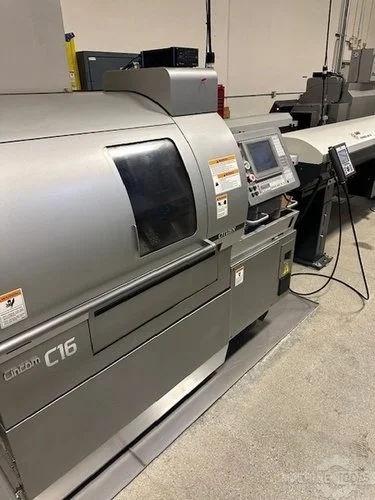 Citizen C16VII (2006)
 Citizen CINCOM-C16VII (2005)
 Citizen E25J (1995)
 Citizen L16-I
 Citizen L20E (2022)
- Citizen M32VIII
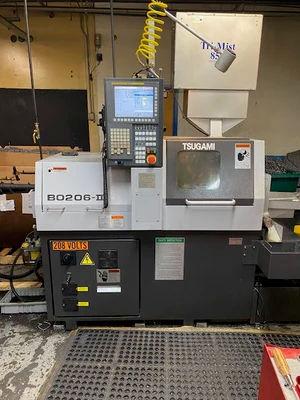 Tsugami BO206II (2013)
 Tsugami BS20 (1995)
 Tsugami HS2075AX (2012)
 Tsugami TMB 2E (2012)
 Citizen A20-VIIPL (2010)
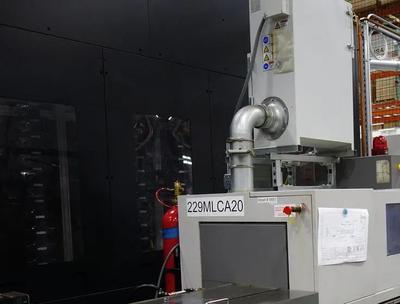 Citizen A20VIIPL (2010)
 Citizen A32-2M7P (2015)
- Citizen B12-I
 Citizen B12VI (2004)
- Citizen CINCOM B12
 Citizen K 12 VIIP (2007)
 Citizen K16 VIP (2005)
 Citizen L20EX (2013)
 Citizen L25 (1997)
- Citizen R04II
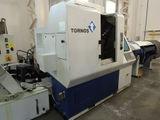 Tornos Deco-20s (2006)
What Is in the Swiss-Type Book Right Now
The book here is 335 listings across five brands, and the category split is not a split at all. Every one of the 335 sits in a single category, CNC Swiss-Type Lathes. Nothing is scattered into general turning or metal cutting the way a brand book is, where the same nameplate also turns up under CNC Lathes and Metal Cutting, so this is the Swiss book itself, not a lathe page with sliding-headstock machines mixed in. Inside it are 236 distinct model designations. Citizen is the largest brand on this hub at 183 listings, more than half the book on its own. Tsugami adds 107, putting those two brands together at 290 of the 335. Tornos brings 39 and DMG MORI 5. For a shop owner calling about one machine, that is the useful part: we scope it against a book of 335 Swiss machines, not a handful inside a general lathe page.
The Citizen Cincom Families, and Why the Suffix Matters
Citizen is the spine of this book at 183 listings across 116 distinct model designations. The groupings that repeat most are CINCOM at 16, L20 at 12, C16 at 11, then A20VII and M32 at 8 each, B12 and M20 at 7 each, and A32, L20E and A20 at 6 each. Below those sit L32VIII, K16, L32, L20VII and C32 at 4 apiece. CINCOM at 16 is the largest designation grouping anywhere on this hub. What matters when you call is that we do not roll those together. L20, L20E, L20VII and L20X are four separate designations in this book, not one family with variants, and we scope them separately because generation and configuration differ. The same holds for M32 against M32VIII and M32V, and A20 against A20VII. A seller with an L20 and a seller with an L20VII are describing two different machines, and they get two different offers.
Tsugami, Tornos and the DMG MORI Sprints
Tsugami accounts for 107 listings across 83 distinct models, a wider spread of designations per machine than Citizen runs at 116 across 183. S206 leads at 5 and BS20 at 4, then BS19, B038T, SS327, B0126, S16 and B0386 at 3 each, trailing into a long tail of two-count designations: BH38SY, SS207, BH20Z, BW209Z, SS32, BU26SY, BS26, BS32 and BW129Z among them. Tornos is 39 listings across 32 models. DECO carries 13 of those and MULTISWISS 6, with SWISS at 4 and ENC and GT at 3 each, plus one-off SwissDECO, SwissNano, MultiSigma, Sigma 20-6, SBF-210 and MS7 machines. Single-spindle and multispindle Tornos machines get scoped separately, because a MultiSwiss and a DECO are not the same conversation even under one nameplate. DMG MORI adds just 5 listings to the book, and all five of them are Sprints: four Sprint 32/8 machines and one Sprint 20/5, built between 2017 and 2024.
What Moves the Number on a Used Swiss-Type Lathe
Guide bushing or guide-bushing-less is the first fork on any Swiss-type lathe, and it changes who wants the machine next as much as hours or condition do. Bar capacity comes second, and on most of these machines it sits right in the designation. An L20, a C16, an A32, a GT-32 or a Sprint 32/8 tells us the working diameter before anyone measures anything. Those figures are on the rows here: a Sprint 32/8 listing states a maximum bar passage of 32 mm, and a Tornos GT-32 listing carries a maximum machining diameter of 32 mm alongside nine turning tools, four rotating tool positions and a sub-spindle that chucks to the same 32 mm. From there: sub-spindle and back-working capability, live tooling positions, axis count, which bar feeder is attached, and whether parts and service still sit behind the control generation. Jason Puuri weighs that against condition and hours himself rather than running a formula.
Have This Ready Before You Call
Start with the serial number and a photo of the data plate. On a Swiss machine the plate usually settles capacity and configuration in one shot, the most useful thing you can send. Then the control make and generation, spindle hours or cycle counts if the machine tracks them, and the bar feeder make and model, since on these machines the feeder is part of the package, not an accessory. Say whether collets and guide bushings go with it, and say whether it runs with a guide bushing or guide-bushing-less, because those two answers change who the next owner is. A photo of the control screen and the work envelope helps too. Photos are not required to get started, so do not hold the call waiting on them. Tell us brand, model, year, condition and what tooling is included, and a first number typically comes back within 24 to 48 hours.
Selling a Swiss Cell Direct Instead of Listing It
Machine Tool Exchange buys outright. No consignment, no listing fee, no broker and no auction, so the offer comes from the company that is actually taking the machine. That matters most when a whole Swiss cell comes out at once. A bank of Citizen or Tsugami machines leaving one floor goes on one quote and one pickup schedule, but each machine is still scoped on its own capacity, configuration and condition rather than lumped under a blanket number for the group. Machines that stopped running when a job ended or a product line moved still carry value, and a machine that needs repair is still worth a call. We arrange rigging, freight and logistics at no cost to you, and we handle the pickup. If you would rather talk it through than fill anything out, call 800-822-9524, or send details through the form at /sell-your-cnc-machine/.
Common questions
Who buys used Swiss-type lathes?
Machine Tool Exchange does, as a direct buyer rather than a broker, auction or listing service. You sell to us; we handle purchase, rigging and resale.
How much is a used Swiss-type lathe worth?
It depends on bar capacity, guide bushing configuration, sub-spindle and live tooling, control generation, year, tooling package and condition. Send the machine and we scope it, not the model.
Do you buy Citizen Cincom Swiss lathes?
Yes. Citizen is the largest brand on this hub at 183 of the 335 listings, across 116 distinct models led by CINCOM, L20 and C16.
Do you buy Tsugami Swiss-type lathes?
Yes. There are 107 Tsugami listings across 83 distinct models, with S206, BS20, SS327 and B038T among the designations that repeat most.
Do you buy Tornos DECO and MultiSwiss machines?
Yes, and single-spindle and multispindle machines get scoped separately. There are 39 Tornos listings here, 13 with a DECO designation and 6 a MULTISWISS.
Will you buy the bar feeder, collets and guide bushings with the machine?
Yes, and tell us upfront what is included. A Swiss machine quotes differently with its bar feeder and tooling package than bare.
Do you buy older Swiss machines, or only late models?
Both. Among the listings carrying a build year, the oldest is 1984 and the newest 2024. Age narrows an offer; it does not rule one out.
Do you buy Swiss brands other than the ones listed here?
Yes. We buy Swiss-type lathes from nearly every manufacturer, Star and Nomura included, whether or not one is in the book at the moment.
Thinking about selling CNC Swiss-Type Lathes?
On a Swiss-type lathe the bar capacity usually sits in the designation, so an L20 or a Sprint 32/8 tells us the first thing we need. What it does not tell us is whether it runs with a guide bushing or guide-bushing-less, and that changes who wants it next. Say whether the bar feeder, collets and guide bushings go with it. Jason Puuri turns most of these around in 24 to 48 hours: 800-822-9524.