Used CNC Spline Cutting Machines We Buy
Used CNC spline cutting machines are a narrow, specialized part of what Machine Tool Exchange buys, straight from the shops running them, no broker and no listing fee in the middle. Broaching is the parent process, so internal and external spline work both belong here. Here is what sets the number.
4 machines, page 1 of 1
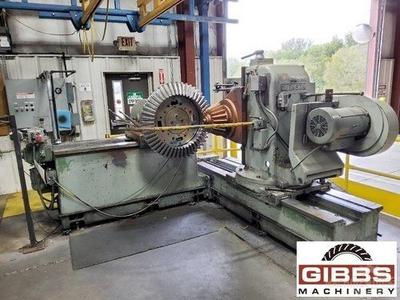
What Is in the Spline Cutting Listings We Hold
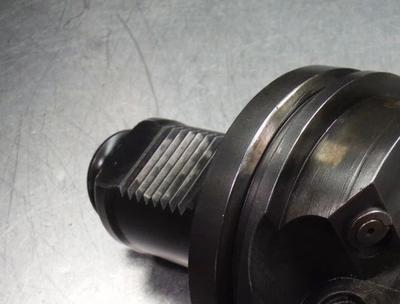
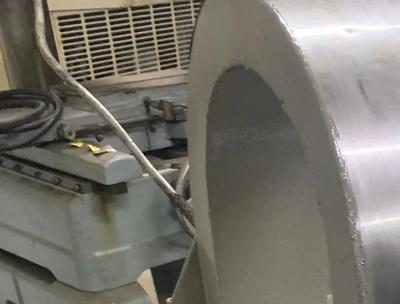
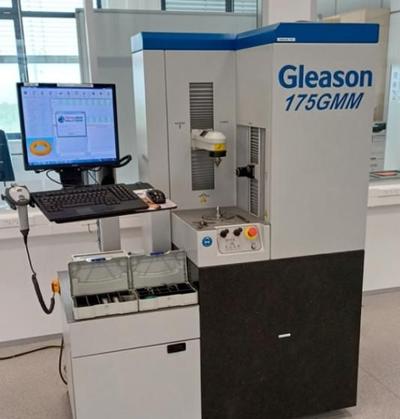
Four machines sit in this hub right now, and all four carry the same catalog category, CNC Spline Cutting Machines, so there is no second category to sort through and no mix to explain. Three brand names cover those four listings: two carry the Gleason nameplate, one is tagged MAGNAFLUX, and one is tagged VALENITE. Every listing is a different model, nothing repeats, and two of those four designations on the current book are GMM 175 and SB-1416. That is the whole of the grid, stated plainly, because a spline hub is a narrow book by nature and what sits in it changes. If your own machine is not represented in the grid above, read nothing into it. What we buy is a far wider set than whatever happens to be listed on a given day, and the next section is the honest version of that list, broach type by broach type, with the manufacturers named.
Broaching and Spline Machines We Buy Beyond What Is Listed
None of the manufacturers named in this section appear in the four listings above. They are here because we buy them, and that list runs far longer than the grid above. On the horizontal side we buy Colonial horizontal surface broaches, Mitts and Merrill horizontal broaches, Ohio Broach horizontal machines, and National Broach horizontal models. On the vertical side we buy Ty Miles vertical pull-down broaches, Colonial vertical broaches, American Broach vertical machines, and Hoffman vertical broaching machines. On the CNC side we buy internal spline broaching machines, external spline cutting machines, and gear broaching machines, the group this hub is named for. If the nameplate on your machine is written nowhere on this page, that does not change the conversation. We buy broaching and spline cutting equipment across every manufacturer, and a machine gets scoped on what it is and what condition it is in, not on whose badge it carries.
What Determines the Offer on a Spline Cutting or Broaching Machine
Two numbers open almost every one of these conversations: tonnage or pull capacity, and stroke length. Together they say what size of part the machine was built to cut, and they place it faster than any general description of the equipment ever will. After that comes broach type, meaning horizontal or vertical and internal or surface, because those are effectively different machines to the shops that buy them. Then brand, model, year, and condition, plus whatever tooling comes with it. Broaches and fixtures included in the sale are worth listing out rather than mentioning in passing. Jason Puuri scopes the machine himself and puts the number on the table, weighing what you have described against what shops are actively looking for on this kind of equipment, rather than running your specs through a formula. Photos help but are not required. Most sellers have a transparent offer back within 24 to 48 hours.
Have This Ready Before You Call
Have the brand, model, year, and condition ready, along with tonnage or pull capacity, stroke length, broach type, and a list of any tooling that goes with the machine. That set is enough to place almost any broaching or spline cutting machine before a number is discussed. If you do not have specs at hand, the data plate is the shortcut. On older broaching iron the model number stamped on the plate is usually all we need to identify the machine and pull the rest ourselves, and the serial number helps when it is still legible. Photos matter more here than on most equipment, and not the ones you would expect. A couple of shots showing the overall size of the machine and how it sits on the floor beat a catalog spec sheet, because a rigging plan gets built around the actual footprint, door, and path out of the building.
Rigging, Freight and Payment
Once you accept a quote, MTE arranges rigging, crating, and freight at no cost to you. That is not a credit against the offer or a line item deducted later, it is simply how we buy, and it matters more on broaching equipment than on most machines, because a vertical pull-down broach or a large horizontal surface broach is not a forklift-and-go proposition. We arrange the pickup. We buy outright and arrange the pickup. We buy machines in all 50 states, so where yours sits does not decide our interest. MTE is a direct buyer, not a broker and not a listing service, which means no listing fee, no broker fee, and no obligation attached to asking. Quote turnaround is typically 24 to 48 hours. If you send details through the form instead of calling, expect a response within 1 to 2 business days.
Selling One Machine or Clearing a Mixed Floor
Condition is not a gate. We buy broaching and spline cutting machines that are running, machines that went idle when the job justifying them ended, and machines that need hydraulic work. Hydraulics are the usual culprit on this equipment, and a broach that will not build pressure is still a machine worth quoting. Scope is not a gate either. A single broach gets quoted the same way a floor coming out during a changeover does, and each machine is scoped on its own rather than swept into one blanket number. If there is mixed CNC going out at the same time, lathes, vertical machining centers, and horizontal machining centers go on the same quote and the same pickup. Broaching machines serve automotive, aerospace, and defense work, which is exactly why the buyer pool for them is narrow. On equipment that specialized, a direct buyer beats waiting out a listing most shops will scroll past.
Common questions
What is a broaching machine used for?
A broaching machine drives a toothed cutting tool through the work, removing material in a single pass. It is one of the fastest ways to cut internal splines, keyways, and gear teeth.
Who buys used broaching and spline cutting machines?
Machine Tool Exchange buys them directly, horizontal, vertical, and CNC, from every manufacturer. We are not a listing service, so selling to MTE means selling to the buyer, not to an audience.
What determines what a used broaching machine is worth?
Brand, broach type (horizontal or vertical, internal or surface), tonnage or pull capacity, stroke length, year, condition, and current demand. Send those and Jason Puuri scopes it himself.
How do I sell a spline broaching machine to MTE?
Three steps. Send the brand, model, year, condition, tonnage or pull capacity, stroke length, broach type, and tooling. We return a transparent offer, usually within 24 to 48 hours, then handle rigging, freight, and the pickup.
Who pays for rigging, crating and freight?
We do. MTE arranges and pays for rigging, crating, and freight at no cost to the seller, in all 50 states. You do not line up a rigger or book a truck.
Who handles the pickup for a spline-cutting machine?
We arrange the pickup and have the machine moved off your floor. No listing fee or broker fee is taken out of the offer.
Will you buy a broaching machine that is not running?
Yes. Running, idle since the job ended, or needing hydraulic work are all machines we quote. Tell us what is wrong up front so the offer reflects the machine.
Thinking about selling CNC Spline Cutting Machines?
Start with two numbers if you have them: tonnage or pull capacity, and stroke length. Add whether it is a horizontal or a vertical, internal or surface, and Jason Puuri can place your broach without a site visit. No specs handy? Photograph the data plate. Broaching buyers are few enough that waiting out a listing rarely beats selling direct.