Used CNC Rolling Mills We Buy
Used CNC rolling mills come to Machine Tool Exchange directly from the companies that own them, with no dealer or auction house in between. The four mills listed here run from 1982 through 2012 and include cold reversing stands and a skin pass mill. What follows is what an offer actually turns on.
4 machines, page 1 of 1
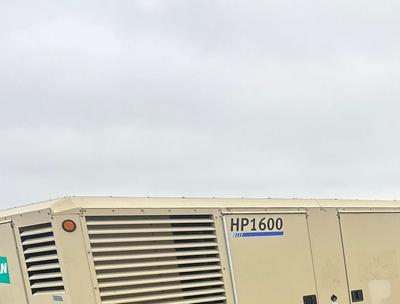 Doosan HP1600WCUFX13 (2012)
 Emag skin pass mill 2 hi 1 stand 1990 1991 1993 (1994)
 Emag 6hi reversing cold rolling mill coolant plc 2002 modernization in (2010)
 Emag reversing 4 hi cold rolling mill 5175 hp (1982)
What Is On the Rolling Mill List Right Now
Four listings sit on this page today, and all four fall in the single CNC Rolling Mills category. Production years run from 1982 through 2012. Three of the four mills currently listed carry an Emag nameplate and the fourth is a Doosan. Every one of the four is a distinct model, so nothing here is a repeat unit standing in multiples. One of them is listed under a bare model number, HP1600WCUFX13, so a phone call settles what it actually is faster than the listing does. This is a short, specific working list that turns over as machines are bought and resold, not a standing catalog you can browse for months. If the configuration you want is not on it today, that is not the end of the conversation, because the same desk that lists these mills is out buying them. Tell us the stand count, roll stack, and strip width you are after and we will work against that request.
Cold Reversing Mills, Skin Pass Stands, and What Separates Them
A 6-high reversing cold rolling mill carries two work rolls backed by intermediate rolls and backups, letting a smaller work roll diameter hold tighter gauge on thin, hard strip. A 4-high reversing cold mill runs the simpler stack, work rolls on backups only, and suits heavier reductions in fewer passes. Both reverse, so the strip runs back and forth through one stand rather than down a continuous line, and pass schedule plus coiler tension do the work a tandem line spreads across several stands. A 2-high single-stand skin pass mill is a different job entirely: light elongation after annealing to correct surface finish and shape and kill yield point elongation, not to reduce gauge. Drive horsepower tells a buyer more than a build date does, which is why a listing naming a 5175 hp drive says more than its year does. A 2002 PLC modernization on a 6-high stand changes the read again.
What Moves the Number on a Used Rolling Mill
Stand count and roll stack configuration come first, because a 6-high reversing stand and a 2-high skin pass mill do not draw the same buyer. After that comes drive horsepower, the coil or strip width the mill was built around, roll and bearing condition, whether the coolant and lubrication systems are complete, and the vintage of the control. That last one carries more weight than sellers expect. A mill built in the 1980s that has had its controls and drives modernized is a different conversation than the same machine still on original electrics, because the buyer on the other end is weighing a retrofit he would otherwise have to do himself. Jason Puuri reads those factors against each other rather than running them through a formula, which is how a well kept older stand can land ahead of a newer one that has sat idle for years. Tell him what you actually have.
Have This Ready Before You Call
Brand, model number off the data plate, year, and condition are the starting four. Then the rolling-specific items: rolling capacity, rolling type (thread, flat, ring, or plate), die size, and any CNC or automation features. For a mill stand, add the details that settle the question fastest. Stand count and hi configuration, whether it reverses, drive horsepower read off the motor plate rather than estimated, roll face width and roll diameters, and whether the control has ever been retrofitted or is still original. If a PLC upgrade was done, the year of that upgrade is worth more to us than the year stamped on the mill. Photos help but are not required. Two or three shots, one of the stand, one of the control cabinet, and one of the drive motor, are usually enough to get a first number moving without anybody flying out to look at it.
Thread, Plate, and Ring Rolling Equipment We Also Buy
Everything named in this section is equipment MTE buys, not equipment listed on this page. Our purchasing runs well past cold mill stands. We buy flat die and cylindrical die thread rolling machines, including Reed, Hartford, Fenn, Detroit, and Waterbury Farrel. We buy plate and sheet rolling machines, including Bertsch, Davi, Herkules, and Webb. We buy ring rolling mills used in aerospace and bearing work, and we buy CNC thread rolling machines and automated feed rolling systems. One desk covers all of it for a plain reason: the fastener, automotive, and metal forming shops that run cold mills are the same shops that run thread rollers, and a floor clearance usually turns up both. If your machine carries a nameplate that is not named above, send it to us anyway. We buy rolling mills across every manufacturer, and an unlisted brand gets quoted the same way as a listed one.
How the Sale Works, From First Call to Pickup
Three steps, and none of them ask you to list anything. First, tell us what you have: brand, model, year, condition, rolling capacity, rolling type, die size, and any automation. Second, we evaluate the mill on brand, model, condition, and current market demand, and you get an offer, typically within 24-48 hours. Third, accept it and we handle the rest. MTE arranges rigging, crating, and freight at no cost to you. We buy outright and arrange the pickup, and we buy machines in all 50 states. Condition is not a gate either: running, idle, or waiting on die or hydraulic work all get quoted. MTE is a direct buyer, not a broker or a listing service, so there are no listing fees and no broker fees. A mill coming out during a plant changeover rarely leaves alone, and CNC lathes, VMCs, and HMCs can ride the same quote and the same pickup.
Common questions
How much is a used rolling mill worth?
It turns on type and stand configuration, rolling capacity, drive horsepower, year, roll and bearing condition, and control vintage. A modernized control moves the answer considerably. Send those details for a quote.
Who buys used rolling mills?
Machine Tool Exchange does, directly. We purchase flat die, cylindrical die, plate, and ring rolling equipment from all manufacturers, alongside cold mill stands. We are not a listing service, so you sell to us.
What is the difference between thread rolling and thread cutting?
Thread rolling presses the workpiece between hardened dies and displaces material. Thread cutting removes it. Rolled threads are stronger because the grain structure is compressed rather than severed. We buy thread rollers and thread-cutting CNC lathes.
Do you buy a rolling mill that is not currently running?
Yes. Running, idle, or waiting on die or hydraulic work, all three get quoted. Tell us what is wrong with it upfront so the offer reflects the actual machine instead of an assumption.
Who pays for rigging and freight on a rolling mill?
We do. MTE arranges rigging, crating, and freight at no cost to you, in all 50 states. You do not book a crew, schedule a truck, or carry the move.
How long does it take to get a quote?
A quote typically comes back within 24-48 hours once we have the details. Form submissions get a reply within 1-2 business days. We buy outright and arrange the pickup.
Thinking about selling CNC Rolling Mills?
To a buyer, a 1980s stand whose PLC and drives have been brought forward is not the same machine as one still running original electrics, which is why the data plate year never settles a rolling mill offer on its own. Jason Puuri weighs stand configuration, drive horsepower, roll and bearing condition, and control vintage himself, and that read is his rather than a formula's. Call 800-822-9524 or send details at /sell-your-cnc-machine/, and a number typically comes back within 24-48 hours.