Sell your Okuma HL-20 2003 today.


Okuma HL-20 Specifications
| Control Model | FANUC Series 18i-TB |
|---|---|
| Main Motor | 15 kW |
| Max. Turning Diameter | 350 mm |
| Max. Turning Length | 460 mm |
| Spindle Speed | 3200 rpm. |
Do you have a Okuma HL-20 to sell?
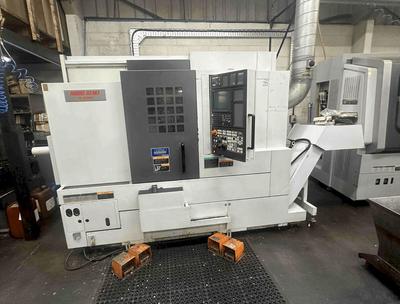
We are actively seeking a 2003 OKUMA & HOWA HL-20 CNC lathe to purchase. This 2-axis CNC lathe is highly regarded in the machining industry for its precision and reliability. With a turning length of 460 mm and a turning diameter of 350 mm, the HL-20 is well-equipped to handle a variety of turning tasks. It features a FANUC Series 18i-TB CNC control, ensuring ease of operation and programming, which is essential for achieving high-quality results in your machining processes.
The HL-20 boasts a maximum turning speed of 3200 rpm, allowing for efficient machining of various materials, from soft metals to harder alloys. Its spindle motor power of 15 kW provides the necessary torque to maintain performance even under heavy loads. Whether you are producing small, intricate parts or larger components, the OKUMA & HOWA HL-20 is capable of meeting your production demands with precision and speed. At Superior Machine Tools, we understand the value of your equipment and are committed to offering competitive prices for your used CNC machines.
If you are looking to sell your 2003 OKUMA & HOWA HL-20, we would love to hear from you. Our team of experts is ready to provide a fair evaluation and make the selling process seamless and efficient. Don't let your unused machinery take up space; turn it into cash today! Contact us now to discuss your machine and receive a no-obligation quote.
Frequently Asked Questions
What types of machinery and equipment do you purchase?
MTE buys a wide range of used and surplus machinery, including CNC machines, metalworking and fabrication equipment, industrial robots, inspection and testing systems, and material handling assets from industries such as metals manufacturing, oil and gas, automotive, and mining.
How does MTE assess the value of my surplus equipment?
Our team conducts a thorough review using current market data, equipment specifications, age, and condition. We provide fair market valuations given your specific situation to ensure you receive maximum value for your assets.
What is the process for selling my excess machinery to MTE?
We make it simple: contact us with asset details, and our specialists will review and coordinate an inspection if needed. After finalizing terms, we handle all logistics, removal, and payment for a smooth and efficient transaction.
How quickly can MTE complete the purchase and removal of my surplus equipment?
MTE prioritizes safe and efficient equipment removal, adhering to your company's specific requirements and timeframes. We coordinate all logistics to ensure the process is carried out safely and efficiently, minimizing risks and protecting both personnel and equipment.
What documentation is required to sell my used machinery?
We typically request detailed equipment information, such as make, model, year, and maintenance records, along with proof of ownership. Our team will guide you through all necessary paperwork to ensure a secure and transparent transaction.
Where is MTE located, and do you offer services outside Michigan?
While MTE is proudly based in Michigan, our services extend across the entire United States and internationally. No matter where your surplus machinery or equipment is located, our team has the experience and logistics capabilities to manage evaluations, purchases, and removals efficiently.
Is MTE an equipment broker?
No. Our business model is based on purchasing equipment outright. MTE does not act as a broker, nor do we buy on consignment. We buy machinery and assets outright and arrange the pickup, for a straightforward transaction.
Related Machines

Have one to sell?
MTE is the direct buyer. Quote in 24-48 hours, free pickup, and we have the machine moved.